





![Apple Watch SE (2nd Gen) [GPS 40mm] Smartwatch with Starlight Aluminum Case with Starlight Sport Band S/M. Fitness & Sleep Tracker, Crash Detection, Heart Rate Monitor](https://www.tech-bit.com/wp-content/uploads/2024/06/applewatchse2ndgengps40mmsmartwatchwithstarlightaluminumcase-360x180.jpg)


![SAMSUNG Galaxy Buds Pro 2 [2022] (SM-R510) - (Gray)](https://www.tech-bit.com/wp-content/uploads/2023/10/samsung-galaxy-buds-pro-2-2022-sm-r510-gray-360x180.jpg)












![Apple iPhone 15 Pro (128 GB) - Black Titanium | [Locked] | Boost Infinite plan required starting at $60/mo. | Unlimited Wireless | No trade-in needed to start | Get the latest iPhone every year](https://www.tech-bit.com/wp-content/uploads/2023/10/apple-iphone-15-pro-128-gb-black-titanium-locked-boost-infinite-360x180.jpg)
![Apple Watch Series 9 [GPS 41mm] Smartwatch with Pink Aluminum Case with Pink Sport Band M/L. Fitness Tracker, Blood Oxygen & ECG Apps, Always-On Retina Display](https://www.tech-bit.com/wp-content/uploads/2023/10/apple-watch-series-9-gps-41mm-smartwatch-with-pink-aluminum-case-with-pink-360x180.jpg)

















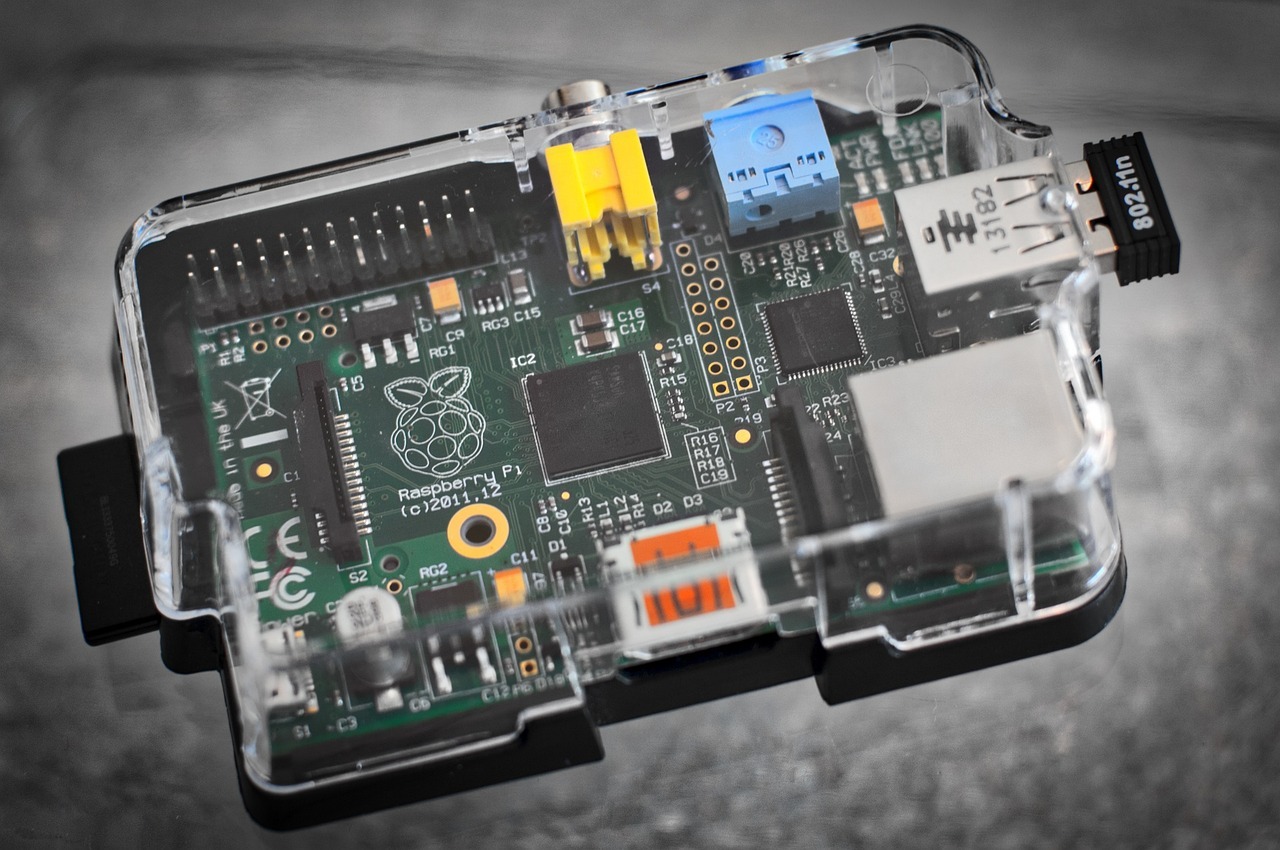




In this era of ever-advancing smartphones, the trusty desktop and laptop computers are far from becoming relics of the past. For various tasks, especially when you need a spacious screen and a tactile keyboard, laptops continue to reign supreme. They offer a blend of convenience and portability, making them a preferred choice for students, office workers, freelancers, and casual users alike. However, in the bustling laptop market, choosing the right one can be a daunting task. With hundreds of options available, how do you ensure you’re making the best decision?

HP 2023 Newest Pavilion Laptop, 15.6" FHD Touchscreen, 13th Gen Intel Core i7-1355U, 64GB RAM, 2TB PCIe SSD, Webcam, FP Reader, Backlit KB, Wi-Fi 6, Windows...
Fear not, as we’ll walk you through four essential steps to help you determine your laptop priorities and select the perfect device to match your needs and budget.

Acer Aspire C24-1650-UA92 AIO Desktop | 23.8" Full HD IPS Display | 11th Gen Intel Core i5-1135G7 | Intel Iris Xe Graphics | 8GB DDR4 | 512GB NVMe M.2 SSD |...
Step One – Define Your Budget Your budget is the cornerstone of your laptop quest. It’s crucial to have a clear idea of your spending comfort zone, as it will serve as your guiding light through the labyrinth of laptop options. Your budget not only narrows down your choices but also sets realistic expectations.

ASUS Vivobook 15X OLED Laptop, 15.6” FHD OLED Display, AMD Ryzen™ 7 7730U CPU, 16GB RAM, 1TB SSD, Windows 11 Home, Indie Black, S3504YA-DS77
Budget-conscious shoppers should note that lower-cost laptops often come with trade-offs, such as the absence of a backlit keyboard, touchscreen functionality, USB Type-C ports, or a speedy SSD (Solid-State Drive). These budget-friendly options might be bulkier and heavier due to cost-saving measures in materials and design.
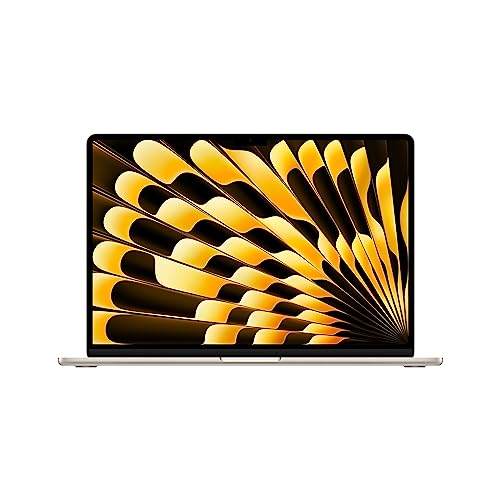
Apple 2023 MacBook Air Laptop with M2 chip: 15.3-inch Liquid Retina Display, 8GB Unified Memory, 256GB SSD Storage, 1080p FaceTime HD Camera, Touch ID. Works...
For those on an extremely tight budget, laptops priced under $200 are available, but they are best suited for basic web browsing and video streaming. They may lack durability, storage space, and upgradability, yet they offer significant advantages over smartphones. Additionally, consider refurbished devices available on platforms like Amazon for potential savings.
Conversely, if your computing needs demand specific attributes like lightweight design, stylus support, or the ability to run high-performance games, your minimum budget threshold will need to reflect these requirements. Start with this budget benchmark and make necessary trade-offs to strike the right balance between cost and features.

jumper Laptop, 16GB RAM 512GB SSD, Quad-Core Intel N100 Processor, 16" FHD IPS Screen(1920x1200), Windows 11 Laptops Computer with 4 Stereo Speakers,...
Finding an exciting laptop under $500 can be challenging, but it can handle fundamental office tasks, web browsing, and light entertainment. For gaming enthusiasts, a budget of at least $1,000 is recommended, while those seeking top-tier performance and style can explore laptops exceeding $2,000.
Step Two – Determine the Ideal Size and Weight Laptops come in various sizes, primarily categorized by screen dimensions ranging from 11 to 17 inches. Interestingly, screen size doesn’t always correlate with weight or cost. Many 13-inch laptops are incredibly slim and lightweight, while 15-inch models often offer the most affordable options.
Remember that screen size alone doesn’t dictate usable screen space – screen resolution plays a significant role. Entry-level laptops might feature resolutions as low as 1366×768, suitable for screens up to 13 inches but appearing pixelated on 15-inch displays. Whenever possible, opt for at least 1920×1080 (full-HD) resolution.
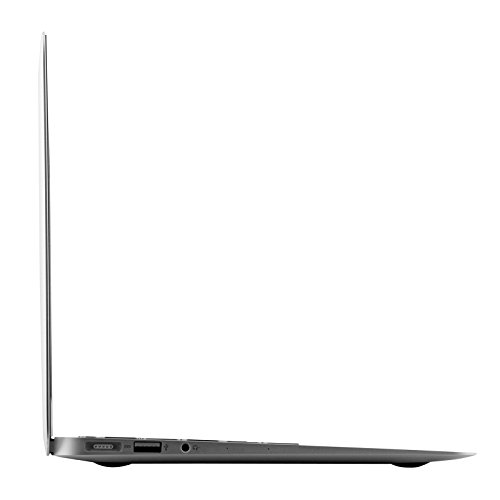
Apple MacBook Air with Intel Core i5, 1.6GHz, (13-inch, 4GB,128GB SSD) - Silver (Renewed)
High-end laptops sometimes boast 4K screens, but gaming laptops usually prioritize frame rate over resolution. For gaming, a higher-end graphics card (GPU) often holds more value than a high-end central processing unit (CPU).
When considering size and weight, be mindful of ultra-light laptops, which trade performance for portability. Thinner laptops tend to use lower-wattage CPUs that generate less heat and do not require fans. These ultraportable laptops are available, but they come at a premium.
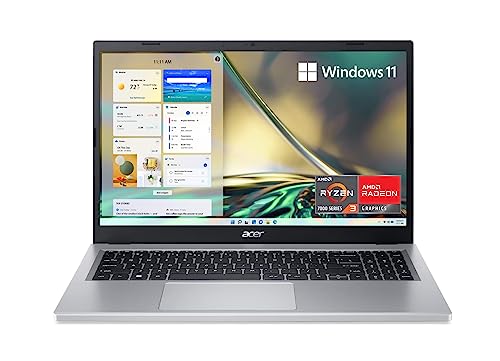
acer Aspire 3 A315-24P-R7VH Slim Laptop | 15.6" Full HD IPS Display | AMD Ryzen 3 7320U Quad-Core Processor | AMD Radeon Graphics | 8GB LPDDR5 | 128GB NVMe...
Additionally, decide whether you prefer a traditional laptop or a 2-in-1 convertible that can double as a tablet. While traditional laptops suffice for desk or lap use, 2-in-1s are ideal for versatile tasks such as reading, sketching, note-taking with a stylus, or playing touch-optimized games.
Step Three – Choose the Right Specifications A well-balanced laptop relies on several key specifications: CPU, GPU, RAM, and storage. Let’s dive into each:
- CPU: Intel has traditionally dominated the laptop CPU market, but AMD’s Ryzen CPUs have gained recognition for their power efficiency and performance. Opt for the best CPU within your budget, with a preference for newer models over older ones.
- GPU: Integrated GPUs from Intel suffice for most tasks but struggle with demanding 3D gaming and content creation. Mainstream laptops offer two GPU options: AMD and Nvidia. Nvidia, known for power efficiency, is the preferred choice, particularly for gaming laptops.
- RAM: Aim for a minimum of 8GB RAM for mainstream laptops and 16GB for gaming rigs. Ensure upgradability if you intend to keep your laptop for an extended period.
- Storage: SSDs deliver significantly faster performance than traditional hard drives. While budget laptops may have small SSDs, hard drives are still common in this segment. If speed matters to you, look for SSD-equipped laptops.

Dell Latitude E6420 14.1-Inch Laptop (Intel Core i5 2.5GHz with 3.2G Turbo Frequency, 4G RAM, 128G SSD, Windows 10 Professional 64-bit) (Renewed)
Step Four – Hands-On Evaluation Before finalizing your decision, it’s wise to test laptops in person, especially if tempting online deals abound. A physical visit to a retail store allows you to assess build quality, aesthetics, and overall performance. Pay attention to factors such as keyboard comfort and layout – a poor keyboard can lead to frustration, particularly if you type extensively.

SGIN Laptop 8GB DDR4 256GB SSD, 15.6 Inch Windows 11 Laptops Computer with Intel Celeron Quad Core Processor (up to 2.5 GHz), Intel UHD Graphics 600, Mini...
Additionally, explore customer reviews and expert evaluations to gain insights into a laptop’s real-world performance, battery life, and more. Don’t overlook extended warranty options and the proximity of service centers, as these can significantly impact your post-purchase experience.
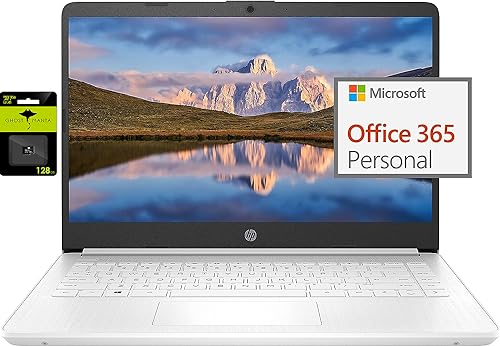
HP Newest 14" Ultral Light Laptop for Students and Business, Intel Quad-Core N4120, 8GB RAM, 192GB Storage(64GB eMMC+128GB Micro SD), 1 Year Office 365,...
Armed with these four steps, you’re well-equipped to embark on your laptop-buying journey. The market teems with choices, but by understanding your needs, you can confidently select the perfect laptop tailored to your requirements.