






![Apple Watch SE (2nd Gen) [GPS 40mm] Smartwatch with Starlight Aluminum Case with Starlight Sport Band S/M. Fitness & Sleep Tracker, Crash Detection, Heart Rate Monitor](https://www.tech-bit.com/wp-content/uploads/2024/06/applewatchse2ndgengps40mmsmartwatchwithstarlightaluminumcase-360x180.jpg)


![SAMSUNG Galaxy Buds Pro 2 [2022] (SM-R510) - (Gray)](https://www.tech-bit.com/wp-content/uploads/2023/10/samsung-galaxy-buds-pro-2-2022-sm-r510-gray-360x180.jpg)










![Apple iPhone 15 Pro (128 GB) - Black Titanium | [Locked] | Boost Infinite plan required starting at $60/mo. | Unlimited Wireless | No trade-in needed to start | Get the latest iPhone every year](https://www.tech-bit.com/wp-content/uploads/2023/10/apple-iphone-15-pro-128-gb-black-titanium-locked-boost-infinite-360x180.jpg)
![Apple Watch Series 9 [GPS 41mm] Smartwatch with Pink Aluminum Case with Pink Sport Band M/L. Fitness Tracker, Blood Oxygen & ECG Apps, Always-On Retina Display](https://www.tech-bit.com/wp-content/uploads/2023/10/apple-watch-series-9-gps-41mm-smartwatch-with-pink-aluminum-case-with-pink-360x180.jpg)






















OpenAI, the entity behind the popular AI-powered chatbot ChatGPT, finds itself embroiled in a legal dispute as a group of US authors, including Pulitzer Prize winner Michael Chabon, files a lawsuit in federal court in San Francisco. They allege that OpenAI unlawfully used their written works to train ChatGPT, without obtaining the necessary permissions.
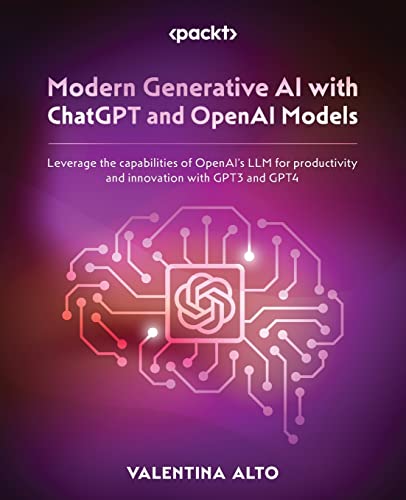
Modern Generative AI with ChatGPT and OpenAI Models: Leverage the capabilities of OpenAI's LLM for productivity and innovation with GPT3 and GPT4
Alongside Michael Chabon, the lawsuit includes playwright David Henry Hwang and authors Matthew Klam, Rachel Louise Snyder, and Ayelet Waldman. Their claim, which was filed on Friday, asserts that OpenAI copied their literary creations to teach ChatGPT how to respond to human text prompts.

OpenAI GPT For Python Developers: The art and science of developing intelligent apps with OpenAI GPT-3, DALL·E 2, CLIP, and Whisper - Suitable for learners...
Chabon’s representatives have deferred inquiries about the lawsuit to the writers’ legal team. Currently, there has been no response from OpenAI or their representatives regarding the allegations.
This legal action marks at least the third instance of a proposed copyright-infringement class action brought against OpenAI by authors. Other prominent tech companies, including Microsoft and Meta Platforms, have also faced similar lawsuits over the utilization of copyrighted material in AI training.

OpenAI Logo AI Artificial Intelligence NLP API GPT-3 T-Shirt
OpenAI and various other organizations have argued that AI training falls within the boundaries of fair use when it comes to incorporating copyrighted content obtained from the internet.
ChatGPT, which garnered an unprecedented 100 million monthly active users earlier this year, only to be eclipsed by Meta’s Threads app, lies at the center of this new lawsuit. The plaintiffs emphasize that works such as books, plays, and articles represent invaluable assets in ChatGPT’s training regimen as prime examples of high-quality, long-form writing.

Power BI Machine Learning and OpenAI: Explore data through business intelligence, predictive analytics, and text generation
The authors contend that their writing was included in ChatGPT’s training dataset without the required permissions. They argue that the system can proficiently summarize their works and generate text that closely mimics their unique styles.
Exploring GPT-3: An unofficial first look at the general-purpose language processing API from OpenAI
The lawsuit seeks unspecified monetary damages and an injunction against what it deems “unlawful and unfair business practices” by OpenAI. This legal dispute underscores the evolving complexities surrounding the use of copyrighted material in AI development.