






![Apple Watch SE (2nd Gen) [GPS 40mm] Smartwatch with Starlight Aluminum Case with Starlight Sport Band S/M. Fitness & Sleep Tracker, Crash Detection, Heart Rate Monitor](https://www.tech-bit.com/wp-content/uploads/2024/06/applewatchse2ndgengps40mmsmartwatchwithstarlightaluminumcase-360x180.jpg)


![SAMSUNG Galaxy Buds Pro 2 [2022] (SM-R510) - (Gray)](https://www.tech-bit.com/wp-content/uploads/2023/10/samsung-galaxy-buds-pro-2-2022-sm-r510-gray-360x180.jpg)
















![Apple iPhone 15 Pro (128 GB) - Black Titanium | [Locked] | Boost Infinite plan required starting at $60/mo. | Unlimited Wireless | No trade-in needed to start | Get the latest iPhone every year](https://www.tech-bit.com/wp-content/uploads/2023/10/apple-iphone-15-pro-128-gb-black-titanium-locked-boost-infinite-360x180.jpg)
![Apple Watch Series 9 [GPS 41mm] Smartwatch with Pink Aluminum Case with Pink Sport Band M/L. Fitness Tracker, Blood Oxygen & ECG Apps, Always-On Retina Display](https://www.tech-bit.com/wp-content/uploads/2023/10/apple-watch-series-9-gps-41mm-smartwatch-with-pink-aluminum-case-with-pink-360x180.jpg)




























Blackmagic Full Frame Cameras in 2026
The cinematography landscape has undergone a dramatic transformation with Blackmagic Design’s entry into the full frame camera market. As we navigate through 2026, these powerful imaging tools have become essential for filmmakers, content creators, and professional videographers seeking cinema-quality footage without the traditional Hollywood price tag. This comprehensive guide explores everything you need to know about Blackmagic’s full frame offerings and how they’re reshaping digital cinema production.
Understanding Blackmagic’s Full Frame Technology
Blackmagic Design has established itself as a disruptive force in professional video equipment, delivering broadcast-quality technology at accessible price points. Their full frame cameras feature sensors measuring approximately 36mm x 24mm, matching the dimensions of traditional 35mm film. This larger sensor size provides several distinct advantages over Super 35 or Micro Four Thirds alternatives.

The expanded sensor real estate captures more light and detail, resulting in superior low-light performance and shallower depth of field characteristics. Blackmagic’s implementation includes dual native ISO technology, allowing cinematographers to switch between base ISOs for optimal performance in varying lighting conditions. The 2026 models feature enhanced dynamic range exceeding 15 stops, preserving highlight and shadow detail that was previously impossible to capture in-camera.
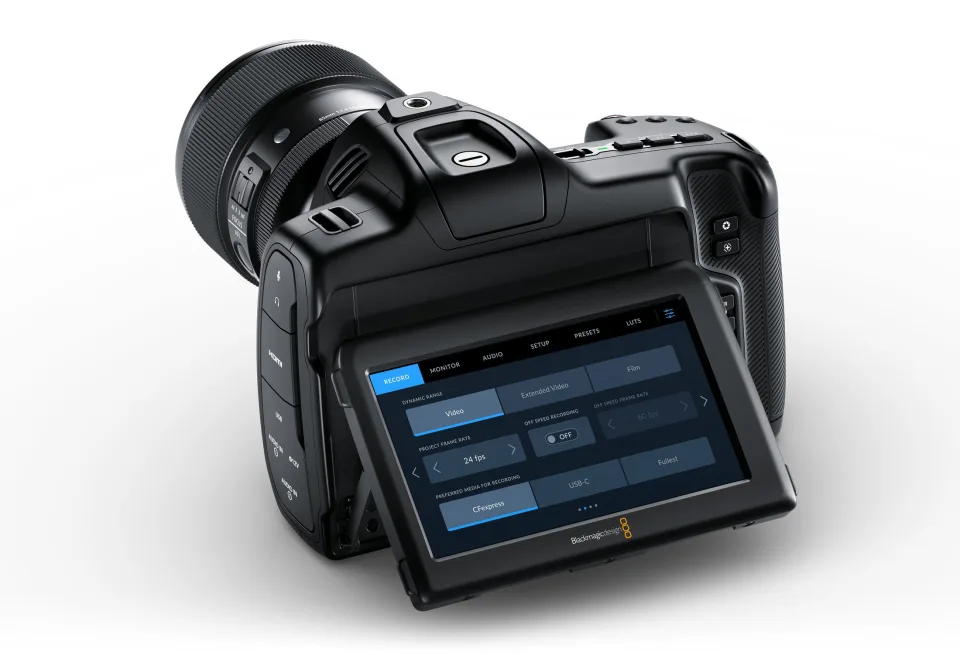
Key technical specifications include support for multiple recording formats including Blackmagic RAW, ProRes, and H.265, giving editors unprecedented flexibility in post-production workflows. The cameras record at resolutions up to 8K, future-proofing productions while offering excellent downsampled 4K and HD output quality.
Professional Features and Workflow Integration
What sets Blackmagic full frame cameras apart is their complete ecosystem approach to filmmaking. Each camera ships with a full copy of DaVinci Resolve Studio, the industry-standard color grading and editing software valued at hundreds of dollars separately. This integration creates a seamless workflow from capture through final delivery.
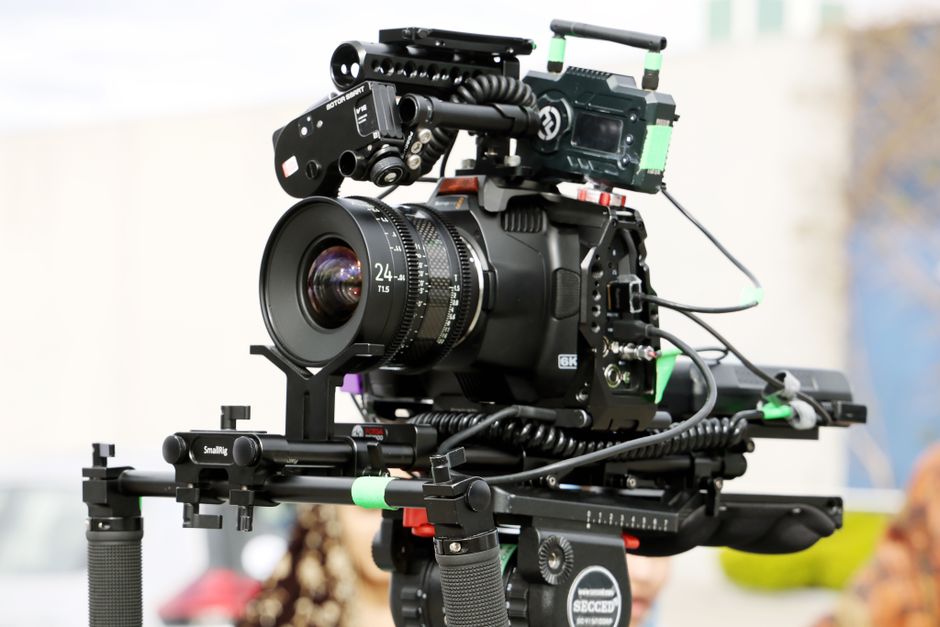
The cameras feature extensive connectivity options including SDI, HDMI, USB-C, XLR audio inputs, and timecode synchronization capabilities. Professional cinematographers appreciate the built-in ND filters with precise control, eliminating the need for external matte box systems in many shooting scenarios. The 2026 models have improved the ND system with faster transitions and more accurate exposure compensation.
Recording media options have expanded significantly, with support for CFast 2.0, SD UHS-II, and USB-C external SSDs. This flexibility allows productions to choose their storage solution based on budget constraints and workflow preferences. Blackmagic RAW files offer impressive compression efficiency, enabling extended recording times without sacrificing image quality.
“The integration between camera and post-production software has eliminated countless hours of file conversion and color space headaches that plagued earlier digital cinema workflows.”
Comparing Full Frame Models and Configurations
Blackmagic currently offers several full frame configurations tailored to different production needs. The Cinema Camera 6K features a full frame sensor with multiple recording format options, making it ideal for documentary work and independent features. The Pocket Cinema Camera 6K Pro variant includes the convenience of an electronic viewfinder and built-in ND filters.

For studio and controlled environment shooting, the URSA Mini Pro 12K offers extraordinary resolution in a modular body design. While technically exceeding standard full frame dimensions, its sensor provides Super 35 crop modes that maintain full resolution 8K output, offering incredible flexibility for visual effects work and reframing in post.
Each model features Blackmagic’s Generation 5 Color Science, ensuring consistent color reproduction across their camera lineup. This standardization simplifies multi-camera productions and allows seamless intercutting between different Blackmagic bodies. The improved color science delivers more accurate skin tones and better color separation, particularly in challenging mixed lighting environments.
Lens Compatibility and Optical Considerations
The full frame sensor format opens up extensive lens options spanning decades of optical engineering. Blackmagic cameras typically feature interchangeable lens mounts, with EF, PL, and L-mount versions available depending on the model. This flexibility allows cinematographers to leverage existing lens investments or explore vintage glass for distinctive aesthetic qualities.
Modern cinema lenses from manufacturers like Sigma, Zeiss, and Canon provide autofocus capabilities and electronic control integration with select Blackmagic bodies. For budget-conscious productions, adapted photography lenses deliver excellent results, though manual focus operation requires more skill and planning during production.
Sensor coverage considerations become critical when selecting lenses. Full frame sensors require lenses with larger image circles compared to Super 35 coverage. Using incompatible lenses results in vignetting or darkened corners. However, the windowed or crop modes available in most Blackmagic full frame cameras allow smaller-coverage lenses to be utilized when maximum resolution isn’t required.
Real-World Performance and Use Cases
Professional productions have embraced Blackmagic full frame cameras across diverse applications. Independent filmmakers appreciate the cinematic image quality achievable within modest budgets, while commercial productions benefit from the cameras’ reliability and efficient file formats that accelerate post-production timelines.
Low-light performance has proven particularly impressive, with usable footage captured at ISO values exceeding 12,800 in the latest models. This capability reduces lighting equipment requirements for documentary work and enables naturalistic cinematography using only available light sources. Music videos and narrative projects benefit from the shallow depth of field characteristics that help subjects separate from backgrounds.
The cameras have found adoption in virtual production environments as well, where their accurate color reproduction and metadata recording facilitate seamless integration with LED volumes and real-time rendering engines. Live event coverage has also expanded as operators appreciate the reliable recording formats and extended battery life in newer models.
Wedding videographers and corporate content creators have discovered the cameras deliver broadcast-quality results while maintaining reasonable equipment costs. The professional features like false color exposure tools, focus peaking, and customizable display options improve efficiency during fast-paced shooting scenarios.
Future Developments and Industry Impact
Blackmagic continues pushing technological boundaries with regular firmware updates that add features to existing cameras. The 2026 roadmap suggests enhanced computational photography features, improved autofocus algorithms, and expanded wireless control options. Cloud-based workflows are becoming increasingly integrated, allowing remote monitoring and backup during principal photography.
The competitive pressure from Blackmagic has forced traditional cinema camera manufacturers to reconsider pricing strategies and feature sets. This industry-wide shift benefits creators at all budget levels, democratizing access to professional imaging tools that were previously reserved for high-end productions.
Environmental considerations have also influenced recent designs, with Blackmagic implementing more sustainable manufacturing processes and longer product lifecycles through comprehensive firmware support. The modular nature of their camera systems allows component upgrades rather than complete replacements, reducing electronic waste.
Conclusion
Blackmagic’s full frame cameras represent a watershed moment in accessible cinema technology. By combining large-format sensor advantages with professional features and integrated post-production workflows, these cameras empower storytellers to realize their creative visions without compromise. Whether you’re shooting a independent feature, commercial content, or documentary projects, the 2026 Blackmagic full frame lineup offers compelling options that deliver exceptional image quality and production value. As the technology continues evolving, these cameras stand as proof that professional cinematography tools are more accessible than ever before, fostering a new generation of visual storytellers equipped to capture their unique perspectives.