





![Apple Watch SE (2nd Gen) [GPS 40mm] Smartwatch with Starlight Aluminum Case with Starlight Sport Band S/M. Fitness & Sleep Tracker, Crash Detection, Heart Rate Monitor](https://www.tech-bit.com/wp-content/uploads/2024/06/applewatchse2ndgengps40mmsmartwatchwithstarlightaluminumcase-360x180.jpg)


![SAMSUNG Galaxy Buds Pro 2 [2022] (SM-R510) - (Gray)](https://www.tech-bit.com/wp-content/uploads/2023/10/samsung-galaxy-buds-pro-2-2022-sm-r510-gray-360x180.jpg)












![Apple iPhone 15 Pro (128 GB) - Black Titanium | [Locked] | Boost Infinite plan required starting at $60/mo. | Unlimited Wireless | No trade-in needed to start | Get the latest iPhone every year](https://www.tech-bit.com/wp-content/uploads/2023/10/apple-iphone-15-pro-128-gb-black-titanium-locked-boost-infinite-360x180.jpg)
![Apple Watch Series 9 [GPS 41mm] Smartwatch with Pink Aluminum Case with Pink Sport Band M/L. Fitness Tracker, Blood Oxygen & ECG Apps, Always-On Retina Display](https://www.tech-bit.com/wp-content/uploads/2023/10/apple-watch-series-9-gps-41mm-smartwatch-with-pink-aluminum-case-with-pink-360x180.jpg)
























Apple Magsafe Battery Pack Capacity Guide
The Apple MagSafe Battery Pack has become a popular accessory for iPhone users seeking extended battery life on the go. Understanding its capacity, performance characteristics, and how it compares to traditional power banks is essential for making an informed purchasing decision. This comprehensive guide explores everything you need to know about the Apple MagSafe Battery Pack’s capacity and real-world performance.
Understanding the Battery Pack’s Official Capacity
Apple’s MagSafe Battery Pack contains an 11.13-watt-hour (Wh) battery, which translates to approximately 1,460 milliamp-hours (mAh) at 7.62 volts. However, this figure can be misleading when comparing it to standard power banks that typically advertise their capacity at 3.7 volts. When converted to the more common 5-volt reference point used by most portable chargers, the MagSafe Battery Pack effectively delivers around 2,920 mAh of usable capacity.

This relatively modest capacity is intentional by design. Apple prioritized creating a slim, lightweight accessory that seamlessly integrates with the iPhone’s magnetic attachment system rather than maximizing raw battery capacity. The pack weighs just 115 grams and measures 96.0 millimeters by 63.9 millimeters by 11.4 millimeters, making it one of the most portable options available in 2026.
The magnetic connection strength is rated to hold the battery pack firmly against your iPhone during normal use, though it’s not designed to withstand significant drops or impacts while attached.
Real-World Charging Performance by iPhone Model
The actual charge you receive from the MagSafe Battery Pack varies significantly depending on your iPhone model and battery size. Here’s what you can expect across different devices:
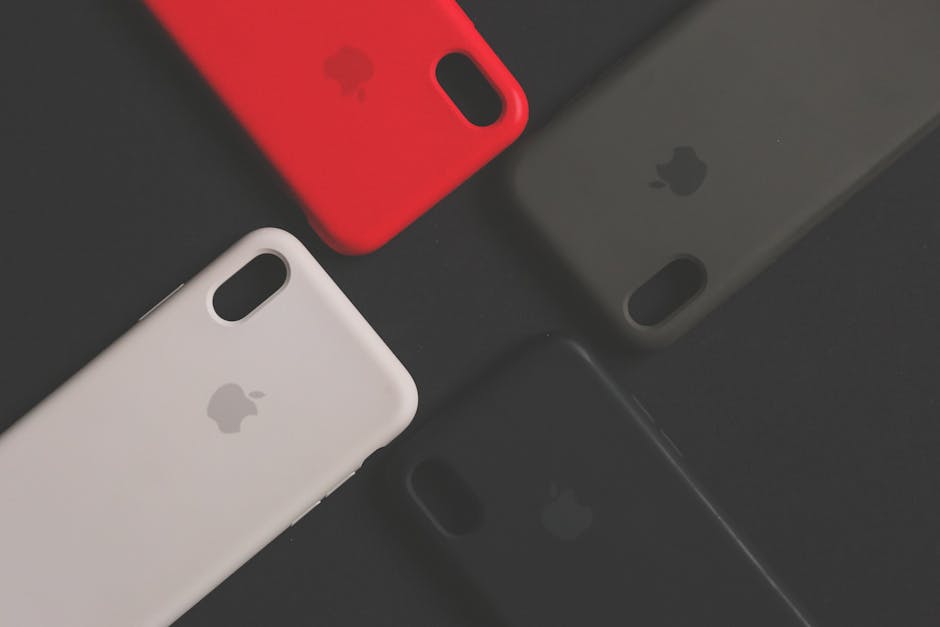
For the iPhone 12 mini with its 2,227 mAh battery, the MagSafe Battery Pack can provide approximately 60-70% additional charge. This makes it particularly well-suited for the smaller iPhone models where the relative capacity boost is most noticeable.
The iPhone 13 and iPhone 14 standard models, equipped with roughly 3,227 mAh batteries, typically receive about 40-50% additional charge from a fully depleted state. This provides enough power to extend your device through an evening out or a long commute.
For Pro Max models like the iPhone 15 Pro Max with its larger 4,422 mAh battery, expect around 30-35% additional charge. While this may seem modest, it still translates to several hours of additional usage time.
The iPhone 16 series in 2026 continues to work seamlessly with the MagSafe Battery Pack, though the newest models with enhanced battery efficiency may see slightly different charging percentages. Apple has maintained backward and forward compatibility across its MagSafe ecosystem.
Charging Speed and Power Delivery
The MagSafe Battery Pack delivers power at different rates depending on how you’re using your iPhone and the charging scenario. When attached magnetically to your iPhone, it provides up to 5 watts of wireless charging power during standard use. This slower charging speed helps manage heat generation and preserves long-term battery health.

However, when your iPhone is connected to a 20W or higher power adapter via Lightning or USB-C cable (depending on your model), the MagSafe Battery Pack can charge your iPhone at up to 15 watts while simultaneously recharging itself. This pass-through charging capability is particularly useful for overnight charging or when you have extended access to wall power.
The battery pack itself can be recharged using either a Lightning connector or by attaching it to an iPhone that’s plugged into power. A full recharge of the depleted MagSafe Battery Pack takes approximately 2.5 to 3 hours when using a 20W adapter.
Temperature management is built into the system, and you may notice charging speeds decrease in hot environments or when running processor-intensive applications. This is normal behavior designed to protect battery longevity.
Comparing to Third-Party Alternatives
When evaluating the Apple MagSafe Battery Pack’s capacity against third-party options, several factors come into play beyond raw numbers. Third-party MagSafe-compatible battery packs often advertise capacities ranging from 5,000 mAh to 10,000 mAh at 3.7 volts, which translates to significantly more power storage.
However, these larger capacity units come with trade-offs. They’re typically bulkier and heavier, sometimes weighing two to three times as much as Apple’s option. The magnetic alignment may also be less precise, potentially leading to inefficient charging or the pack detaching more easily.
Apple’s tight integration with iOS provides unique advantages. The MagSafe Battery Pack communicates directly with your iPhone, displaying battery status in the Today View and notification center without requiring a separate app. It also intelligently manages charging to optimize for battery health, something not all third-party options can replicate.
The build quality of Apple’s official accessory includes premium materials and rigorous testing for durability and safety. While third-party alternatives may offer better value in terms of capacity per dollar, the Apple MagSafe Battery Pack provides a more refined, integrated experience.
Maximizing Battery Pack Efficiency
To get the most out of your MagSafe Battery Pack’s limited capacity, several strategies can help extend its usefulness throughout your day. First, ensure your iPhone’s software is updated to the latest version, as Apple regularly releases optimizations that improve power management and charging efficiency.
Consider enabling Low Power Mode when using the battery pack. This feature reduces background activity, visual effects, and automatic downloads, allowing the additional charge to last significantly longer. You can activate it manually or set it to turn on automatically at 20% battery.
Remove any thick cases that might interfere with the magnetic connection or heat dissipation. While Apple’s MagSafe cases are designed to work perfectly, third-party cases vary in quality. Poor magnetic alignment can reduce charging efficiency by up to 30%.
Avoid using the battery pack while running extremely demanding applications like intensive gaming or 4K video recording. These activities generate substantial heat and draw power faster than the pack can replenish it, making the charging process inefficient.
When possible, attach the MagSafe Battery Pack before your iPhone battery drops below 20%. Starting the charge at a higher battery level can help maintain optimal charging speeds and efficiency.
Long-Term Value and Battery Health Considerations
The MagSafe Battery Pack’s capacity will gradually decrease over time, as with all rechargeable lithium-ion batteries. Apple designs its batteries to retain up to 80% of their original capacity after 500 complete charge cycles under normal conditions. For most users, this translates to approximately two to three years of regular use before noticeable degradation occurs.
To preserve your battery pack’s longevity, avoid exposing it to extreme temperatures. Store it in environments between 0°C and 35°C when possible, and never leave it in direct sunlight or in a hot car for extended periods. Extreme cold can temporarily reduce capacity, while heat causes permanent damage to battery chemistry.
If you won’t be using the battery pack for an extended period, store it with approximately 50% charge rather than completely full or empty. This charge level minimizes stress on the battery cells during storage and helps maintain long-term health.
While the MagSafe Battery Pack’s 1,460 mAh capacity may seem modest compared to standalone power banks, its value lies in convenience, integration, and portability. It serves as an excellent emergency backup or daily supplement for moderate iPhone users rather than a complete replacement for wall charging.
Conclusion
The Apple MagSafe Battery Pack’s 1,460 mAh capacity at 7.62 volts provides a practical balance between portability and power for iPhone users. While it won’t fully recharge most modern iPhones, it delivers enough additional battery life to bridge the gap between charging opportunities throughout your day. Its seamless iOS integration, magnetic convenience, and premium build quality justify its position in Apple’s accessory lineup, even as third-party alternatives offer higher raw capacity. Understanding how the battery pack performs with your specific iPhone model and implementing efficiency strategies will help you maximize its value as a portable power solution in 2026 and beyond.