




![Apple Watch SE (2nd Gen) [GPS 40mm] Smartwatch with Starlight Aluminum Case with Starlight Sport Band S/M. Fitness & Sleep Tracker, Crash Detection, Heart Rate Monitor](https://www.tech-bit.com/wp-content/uploads/2024/06/applewatchse2ndgengps40mmsmartwatchwithstarlightaluminumcase-360x180.jpg)

![SAMSUNG Galaxy Buds Pro 2 [2022] (SM-R510) - (Gray)](https://www.tech-bit.com/wp-content/uploads/2023/10/samsung-galaxy-buds-pro-2-2022-sm-r510-gray-360x180.jpg)






![Apple iPhone 15 Pro (128 GB) - Black Titanium | [Locked] | Boost Infinite plan required starting at $60/mo. | Unlimited Wireless | No trade-in needed to start | Get the latest iPhone every year](https://www.tech-bit.com/wp-content/uploads/2023/10/apple-iphone-15-pro-128-gb-black-titanium-locked-boost-infinite-360x180.jpg)
![Apple Watch Series 9 [GPS 41mm] Smartwatch with Pink Aluminum Case with Pink Sport Band M/L. Fitness Tracker, Blood Oxygen & ECG Apps, Always-On Retina Display](https://www.tech-bit.com/wp-content/uploads/2023/10/apple-watch-series-9-gps-41mm-smartwatch-with-pink-aluminum-case-with-pink-360x180.jpg)

















Fitness trackers, like any gear you wear day in and day out, are deeply personal. They must be not only comfortable and stylish but also tailored to your unique lifestyle and exercise preferences. Whether you’re a backcountry skier, a backyard trampoliner, a cyclist, a rower, a strength enthusiast, a trail runner, or simply someone who needs a gentle nudge to stand up regularly, there’s a fitness tracker designed with your needs in mind.
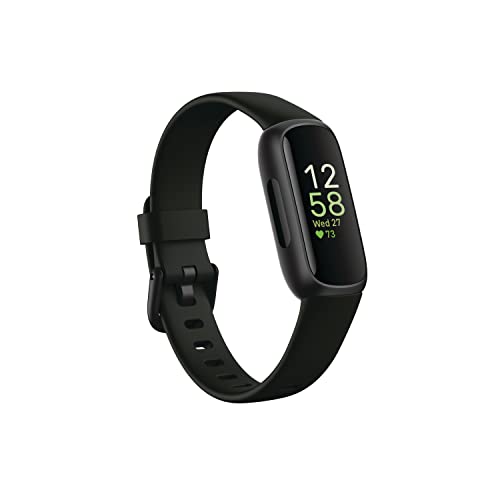
Fitbit Inspire 3 Health & Fitness Tracker with Stress Management, Workout Intensity, Sleep Tracking, 24/7 Heart Rate and more, Midnight Zen/Black One Size (S...
The options are more diverse and advanced than ever, making it easier than ever to find the perfect tool to optimize your workouts or kickstart your fitness journey. We’ve rigorously tested numerous fitness trackers over the years to present you with our top picks. While you’re exploring your fitness options, don’t forget to explore our guides on the Best Smartwatches and Best Running Gear as well.
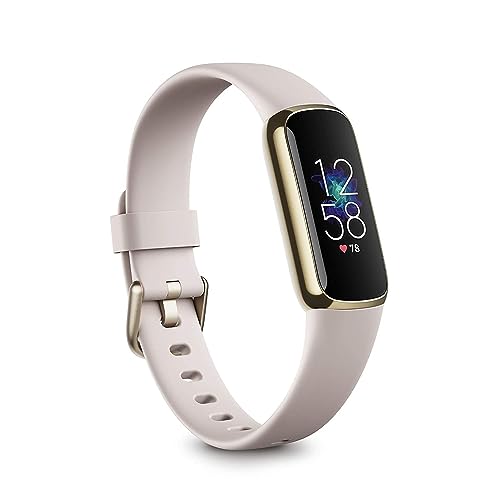
Fitbit Luxe Fitness and Wellness Tracker with Stress Management, Sleep Tracking and 24/7 Heart Rate, One Size S L Bands Included, Lunar White/Soft Gold...
Updated as of September 2023, we’ve introduced the latest additions to our recommendations: the Apple Watch Series 9, Ultra 2, Galaxy Watch6, and Garmin Epix Pro Gen 2.
Exclusive offer for WIRED readers: Gain full access to WIRED.com, complete Gear coverage, and receive subscriber-exclusive newsletters for just $5, a $25 discount. Your subscription directly supports the work we undertake every day.

Fitbit Alta HR, Black, Small (US Version)
Best All-Around Fitbit Charge 5 Note: Fitbit is expected to announce a Charge 6 later this month. I recommend holding off on the Charge 5 until we learn what’s new with the successor.
Despite facing fierce competition, particularly from the Apple Watch, Fitbit’s trackers have consistently impressed us. They strike a unique balance between aesthetics, affordability, accessibility, and user-friendliness. Fitbit’s offerings cater perfectly to individuals who aren’t ultra-marathoners or aspiring powerlifters chasing personal records.

Fitbit Inspire 2 Health & Fitness Tracker with a Free 1-Year Premium Trial, 24/7 Heart Rate, Black/White, One Size (S & L Bands Included) (Renewed)
The Charge series has consistently earned top rankings, and the Charge 5 (rated 8/10, WIRED Recommends) continues this tradition. The 2021 iteration introduced refined design elements, a vibrant AMOLED display, and an impressive array of sensors, ranging from stress monitoring to electrocardiograms. Just like the Apple Watch seamlessly integrates with iPhones, the Charge 5 swiftly pairs with Android phones and boasts both onboard and connected GPS capabilities, ensuring seamless tracking of outdoor workouts.

Fitbit Versa 4 Fitness Smartwatch with Daily Readiness, GPS, 24/7 Heart Rate, 40+ Exercise Modes, Sleep Tracking and more, Pink Sand/Copper Rose, One Size (S...
Additionally, it now features an FDA-cleared function for detecting atrial fibrillation through Fitbit’s novel Heart Rhythm Notifications feature. The primary drawback remains the necessity of a Fitbit Premium subscription, priced at $10 per month or $80 per year, to access most of Fitbit’s premium features. It’s important to note that Fitbit is now under Google’s ownership, and users will eventually need to transition to a Google account to utilize these devices. The Fitbit app has also undergone a redesign. Nevertheless, the hardware remains competitively priced and simpler to navigate compared to alternatives on this list.
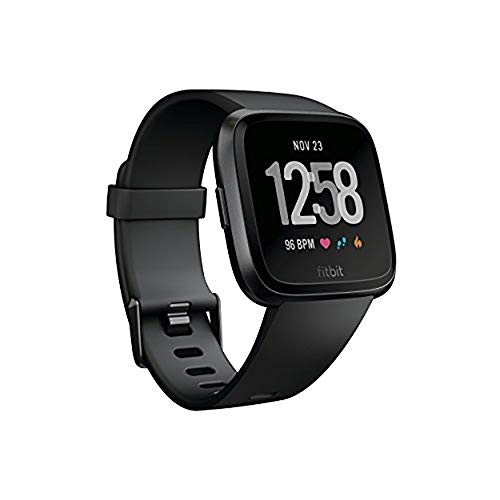
Fitbit Versa Smart Watch, Black/Black Aluminium, One Size (S & L Bands Included)
If you’re uncertain whether the Fitbit Charge 5 is the right choice for you, explore our comprehensive Best Fitbits guide for additional recommendations.