





![Apple Watch SE (2nd Gen) [GPS 40mm] Smartwatch with Starlight Aluminum Case with Starlight Sport Band S/M. Fitness & Sleep Tracker, Crash Detection, Heart Rate Monitor](https://www.tech-bit.com/wp-content/uploads/2024/06/applewatchse2ndgengps40mmsmartwatchwithstarlightaluminumcase-360x180.jpg)

![SAMSUNG Galaxy Buds Pro 2 [2022] (SM-R510) - (Gray)](https://www.tech-bit.com/wp-content/uploads/2023/10/samsung-galaxy-buds-pro-2-2022-sm-r510-gray-360x180.jpg)







![Apple iPhone 15 Pro (128 GB) - Black Titanium | [Locked] | Boost Infinite plan required starting at $60/mo. | Unlimited Wireless | No trade-in needed to start | Get the latest iPhone every year](https://www.tech-bit.com/wp-content/uploads/2023/10/apple-iphone-15-pro-128-gb-black-titanium-locked-boost-infinite-360x180.jpg)
![Apple Watch Series 9 [GPS 41mm] Smartwatch with Pink Aluminum Case with Pink Sport Band M/L. Fitness Tracker, Blood Oxygen & ECG Apps, Always-On Retina Display](https://www.tech-bit.com/wp-content/uploads/2023/10/apple-watch-series-9-gps-41mm-smartwatch-with-pink-aluminum-case-with-pink-360x180.jpg)





















Does Iphone 16 Have Oled Screen?
The display technology in smartphones has become a crucial factor for consumers when choosing their next device. With Apple’s iPhone 16 lineup launched in 2024 and widely available in 2026, many potential buyers are wondering about the screen technology used in these devices. The short answer is yes—the iPhone 16 does feature OLED screen technology, continuing Apple’s commitment to high-quality display experiences across its smartphone range.
OLED Technology Across the iPhone 16 Lineup
Apple has equipped all models in the iPhone 16 series with OLED displays, marking a significant milestone in the company’s smartphone evolution. This includes the standard iPhone 16, iPhone 16 Plus, iPhone 16 Pro, and iPhone 16 Pro Max. The decision to implement OLED technology across the entire lineup represents Apple’s recognition that premium display quality should not be reserved exclusively for the highest-tier models.
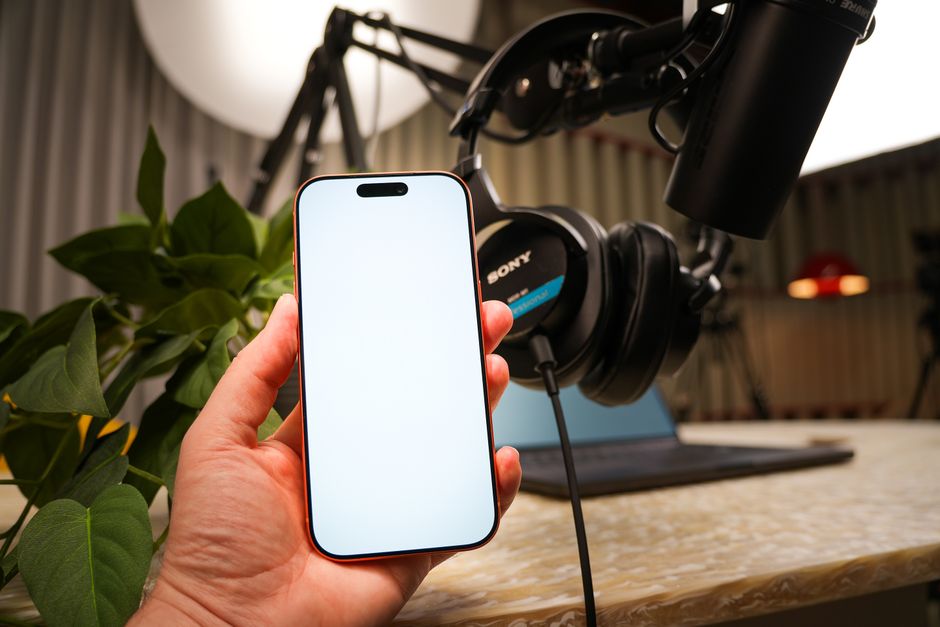
The iPhone 16 and iPhone 16 Plus feature what Apple calls the Super Retina XDR display, while the Pro models boast the more advanced ProMotion Super Retina XDR display. Both variants utilize OLED technology, though with different refresh rate capabilities and brightness specifications. This universal adoption of OLED screens eliminates the previous disparity between standard and premium models that existed in earlier iPhone generations.
What Makes OLED Displays Superior
OLED, which stands for Organic Light-Emitting Diode, represents a significant advancement over traditional LCD technology. Unlike LCD screens that require a backlight, each pixel in an OLED display produces its own light. This fundamental difference creates several compelling advantages that enhance the user experience.

Perfect Black Levels: When an OLED pixel is turned off, it emits no light at all, resulting in true blacks rather than the grayish appearance common in LCD displays. This capability dramatically improves contrast ratios and makes dark mode interfaces particularly stunning.
Superior Color Accuracy: OLED technology enables more vibrant and accurate color reproduction. The iPhone 16’s OLED panels support the P3 wide color gamut, delivering colors that appear more lifelike and saturated compared to standard displays.
Better Viewing Angles: OLED screens maintain color accuracy and brightness even when viewed from extreme angles, unlike LCD displays that can appear washed out when not viewed head-on.
Energy Efficiency: Because OLED pixels only consume power when illuminated, displaying darker content uses less battery. This efficiency is particularly noticeable when using dark mode or viewing content with black backgrounds.
iPhone 16 Display Specifications and Features
The iPhone 16 standard and Plus models feature Super Retina XDR displays with resolutions of 2556×1179 pixels and 2796×1290 pixels respectively. These OLED screens support HDR content and can reach peak brightness levels of up to 2000 nits for outdoor viewing, ensuring excellent visibility even in direct sunlight. Under typical conditions, the displays maintain 1000 nits of sustained brightness.

The iPhone 16 Pro and Pro Max take things further with their ProMotion technology, which enables adaptive refresh rates ranging from 1Hz to 120Hz. This dynamic refresh rate adjusts based on the content being displayed—scrolling smoothly at 120Hz while dropping to as low as 1Hz for static content like photos or always-on display features. This intelligent adaptation enhances both visual smoothness and battery efficiency.
All iPhone 16 models incorporate Ceramic Shield protection on the front, providing improved durability and scratch resistance. The OLED panels also feature True Tone technology, which automatically adjusts white balance based on ambient lighting conditions to reduce eye strain during extended use.
Comparing OLED to Previous iPhone Display Technologies
Apple’s journey with OLED displays began with the iPhone X in 2017, but the technology was initially reserved for premium models only. The standard iPhone models continued using LCD technology, marketed as Liquid Retina displays, until more recent generations. The iPhone 11, for example, featured an LCD screen while the iPhone 11 Pro utilized OLED.
The transition to OLED across all iPhone 16 models represents significant progress. Users upgrading from older LCD-based iPhones will immediately notice the difference in display quality. The deeper blacks create a more immersive viewing experience for video content, while the improved contrast makes text appear sharper and more readable.
The always-on display feature, which debuted with iPhone 14 Pro models and continues in the iPhone 16 lineup, is only possible thanks to OLED technology. This feature allows the screen to display the time, widgets, and notifications while consuming minimal power—something that would be impractical with LCD technology’s constant backlight requirement.
Real-World Benefits for iPhone 16 Users
The OLED displays in the iPhone 16 series translate to tangible benefits in everyday use. Media consumption becomes significantly more enjoyable, with streaming services like Netflix and Apple TV+ showcasing HDR content with stunning contrast and color depth. Gaming experiences also benefit from the faster pixel response times inherent to OLED technology, reducing motion blur during fast-paced gameplay.
Photography enthusiasts will appreciate the accurate color representation when reviewing photos and videos directly on the device. The wide color gamut ensures that captured images appear as intended, making it easier to assess quality before sharing or editing. Professional content creators particularly value this color accuracy for on-the-go review of their work.
The energy efficiency of OLED displays complements iOS 18’s battery optimization features. Users who prefer dark mode interfaces can expect extended battery life compared to light themes, as the display draws less power when rendering dark pixels. This efficiency is especially noticeable during extended reading sessions or when using apps with predominantly dark interfaces.
Outdoor visibility has been a traditional challenge for smartphones, but the iPhone 16’s peak brightness of 2000 nits ensures that the OLED screen remains clearly visible even in bright sunlight. Whether you’re checking directions, taking photos, or responding to messages outdoors, the display maintains excellent legibility without requiring you to seek shade.
Potential OLED Concerns and Apple’s Solutions
While OLED technology offers numerous advantages, it’s not without potential drawbacks. Screen burn-in, where static images can leave permanent ghost images on the display, has historically been a concern with OLED panels. However, Apple has implemented multiple safeguards to prevent this issue in the iPhone 16.
The operating system includes automatic pixel shifting for static elements, subtle brightness adjustments, and intelligent content management to minimize burn-in risk. After years of OLED iPhones being used in real-world conditions, burn-in has proven to be a rare occurrence for most users who follow normal usage patterns.
Some users sensitive to pulse-width modulation (PWM), the flickering used to control OLED brightness at lower levels, may experience eye strain or headaches. The iPhone 16 addresses this concern by using higher PWM frequencies that are less perceptible to most users, though those with extreme sensitivity should test the device before purchasing.
Conclusion
The iPhone 16 definitively features OLED screen technology across all models in the lineup, delivering superior display quality that enhances every aspect of the smartphone experience. From perfect blacks and vibrant colors to excellent outdoor visibility and energy efficiency, the OLED displays represent a significant upgrade for anyone coming from older LCD-based devices. Apple’s implementation includes industry-leading brightness levels, ProMotion technology in Pro models, and comprehensive safeguards against potential OLED drawbacks. Whether you’re consuming media, creating content, or simply navigating daily tasks, the iPhone 16’s OLED screen provides a premium visual experience that justifies the device’s positioning as a flagship smartphone in 2026.