







![Apple Watch SE (2nd Gen) [GPS 40mm] Smartwatch with Starlight Aluminum Case with Starlight Sport Band S/M. Fitness & Sleep Tracker, Crash Detection, Heart Rate Monitor](https://www.tech-bit.com/wp-content/uploads/2024/06/applewatchse2ndgengps40mmsmartwatchwithstarlightaluminumcase-360x180.jpg)


![SAMSUNG Galaxy Buds Pro 2 [2022] (SM-R510) - (Gray)](https://www.tech-bit.com/wp-content/uploads/2023/10/samsung-galaxy-buds-pro-2-2022-sm-r510-gray-360x180.jpg)












![Apple iPhone 15 Pro (128 GB) - Black Titanium | [Locked] | Boost Infinite plan required starting at $60/mo. | Unlimited Wireless | No trade-in needed to start | Get the latest iPhone every year](https://www.tech-bit.com/wp-content/uploads/2023/10/apple-iphone-15-pro-128-gb-black-titanium-locked-boost-infinite-360x180.jpg)
![Apple Watch Series 9 [GPS 41mm] Smartwatch with Pink Aluminum Case with Pink Sport Band M/L. Fitness Tracker, Blood Oxygen & ECG Apps, Always-On Retina Display](https://www.tech-bit.com/wp-content/uploads/2023/10/apple-watch-series-9-gps-41mm-smartwatch-with-pink-aluminum-case-with-pink-360x180.jpg)























This Siri: Voice Assistant Evolution in 2026
Apple’s Siri has transformed dramatically since its 2011 debut, evolving from a novelty voice assistant into an indispensable AI companion that millions rely on daily. As we navigate through 2026, understanding “this Siri” – the current iteration of Apple’s intelligent assistant – reveals how far voice technology has progressed and where it’s headed. This comprehensive guide explores Siri’s latest capabilities, practical applications, privacy considerations, and competitive positioning in today’s crowded voice assistant market.
Understanding Siri’s Latest Capabilities
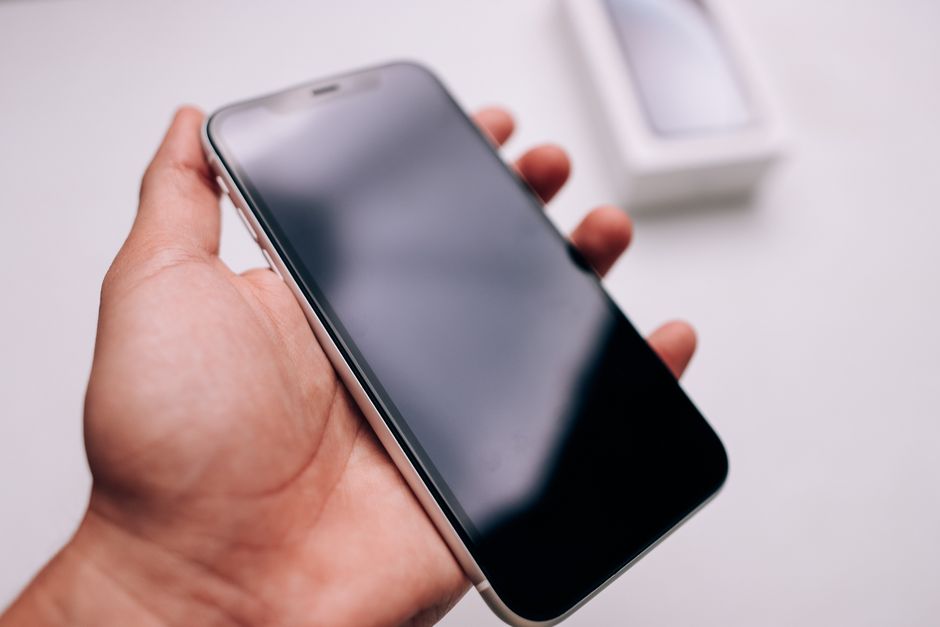
The 2026 version of Siri represents a quantum leap from its predecessors. Powered by advanced machine learning models and enhanced natural language processing, this Siri understands context with unprecedented accuracy. The assistant now maintains conversational memory across sessions, remembering your preferences, previous requests, and even anticipating needs based on patterns in your behavior.
Key improvements include:
- Contextual awareness: Siri now understands follow-up questions without requiring you to repeat context, making conversations feel more natural and fluid
- Multi-language processing: Seamless switching between languages mid-conversation, perfect for multilingual households
- Device ecosystem integration: Enhanced coordination across iPhone, iPad, Mac, Apple Watch, HomePod, and Apple Vision Pro
- Offline functionality: Many core features now work without internet connectivity, improving response times and privacy
- Personalized suggestions: Proactive recommendations based on time, location, and usage patterns
The voice recognition accuracy has improved to approximately 98% in optimal conditions, with substantial gains in noisy environments. This makes Siri significantly more reliable for hands-free operation while driving, cooking, or exercising.
Practical Applications for Everyday Life
This Siri excels at simplifying daily tasks that once required multiple app interactions. The smart home control capabilities have expanded considerably, with support for over 150,000 compatible devices. You can create complex automation sequences using simple voice commands, such as “Hey Siri, start my morning routine,” which might adjust lighting, start your coffee maker, read your calendar, and provide weather updates simultaneously.
Health and fitness integration deserves special attention. Siri now connects directly with Apple Health to track workouts, remind you to stay active, and even provide motivation during exercise sessions. For those following physical activity guidelines recommended by health organizations like the CDC or NHS, Siri can help monitor progress toward weekly movement goals and suggest appropriate activities based on your fitness level.
Professional productivity has also received major enhancements. Siri can now:
- Transcribe and summarize meetings in real-time
- Draft emails and messages with sophisticated tone matching
- Schedule appointments while checking conflicts across multiple calendars
- Translate conversations during international video calls
- Extract action items from notes and create reminders automatically
Privacy and Security Considerations
Apple has consistently positioned privacy as a competitive differentiator, and this Siri maintains that philosophy. Unlike some competitors, most Siri processing now happens on-device using Apple’s Neural Engine, meaning your voice data doesn’t routinely travel to cloud servers. When cloud processing is necessary, Apple employs end-to-end encryption and disassociates requests from your Apple ID.

Users maintain granular control over what Siri can access. The Privacy Settings allow you to specify which apps Siri can interact with, whether it can learn from your usage patterns, and how long voice recordings are retained. By default, Apple doesn’t store audio recordings of your Siri interactions unless you explicitly opt-in to help improve voice recognition.
The transparency dashboard introduced in iOS 19 provides detailed insights into Siri’s data usage, showing exactly what information was accessed, when, and for what purpose. This level of transparency has set new industry standards and prompted competitors to enhance their own privacy disclosures.
Comparing Siri to Competitor Voice Assistants
The voice assistant landscape in 2026 features fierce competition. While Amazon’s Alexa dominates smart home control and Google Assistant leads in search integration and general knowledge queries, Siri’s strengths lie in ecosystem integration and privacy protection.
Siri’s deep integration with Apple hardware creates experiences competitors struggle to match. Handoff features allow you to start a request on your iPhone and seamlessly continue on your Mac or Apple Watch. The spatial audio capabilities on HomePod and AirPods Max provide directional voice feedback that feels remarkably natural.
However, honest assessment requires acknowledging areas where Siri still trails competitors. Third-party app integration, while improved, remains less extensive than Alexa’s skills library. Complex smart home automations sometimes require more specific phrasing compared to Google Assistant’s more forgiving natural language interpretation.
The unique advantage Siri maintains is its focus on personal assistance rather than commercial transactions. While other assistants actively promote purchases and services, Siri prioritizes helping you accomplish tasks efficiently without pushing products.
Accessibility Features and Inclusive Design
This Siri represents significant progress in accessible technology. Voice control has become sufficiently sophisticated that users with limited mobility can operate their entire Apple ecosystem through voice commands alone. The expanded vocabulary now includes medical terminology, making it easier for users to log symptoms, medication schedules, and health data.
For users with visual impairments, Siri’s enhanced screen reading capabilities provide detailed descriptions of on-screen content, photographs, and even real-world objects captured through the camera. The integration with VoiceOver has become more intuitive, with Siri automatically adjusting response formats based on accessibility settings.
Hearing-impaired users benefit from Type to Siri functionality that’s now faster and more context-aware, plus real-time captioning for all Siri responses. The assistant can also control hearing aid adjustments and notify users of important sounds in their environment through haptic feedback.
Research partnerships with organizations like the American College of Sports Medicine have helped Apple optimize Siri’s fitness guidance for users with varying physical abilities, ensuring recommendations are both safe and effective regardless of fitness level.
Future Developments and What to Expect
Looking ahead, Apple’s roadmap for Siri suggests even more ambitious capabilities. Industry analysts anticipate enhanced emotional intelligence, allowing Siri to detect stress, fatigue, or excitement in your voice and adjust responses accordingly. Proactive intervention features may alert emergency contacts if Siri detects distress patterns in your speech or behavior.
The integration of advanced AI models will likely enable Siri to handle increasingly complex multi-step tasks with minimal guidance. Imagine requesting “plan a weekend trip” and having Siri research destinations, check your calendar, book flights and hotels, create an itinerary, and share it with travel companions – all through conversational interaction.
Augmented reality integration through Apple Vision Pro will transform how we interact with Siri spatially. Rather than just hearing responses, you’ll see contextual information overlaid in your field of view, making interactions more intuitive and informative.
Conclusion
This Siri in 2026 represents maturity in voice assistant technology, balancing powerful capabilities with meaningful privacy protections. While no assistant is perfect, Siri’s evolution demonstrates Apple’s commitment to creating technology that serves users rather than exploiting them. Whether you’re managing your smart home, tracking fitness goals, increasing productivity, or simply need hands-free help with daily tasks, understanding what this Siri can do helps you maximize the technology you already own. As artificial intelligence continues advancing, Siri’s trajectory suggests a future where voice assistants become truly indispensable personal companions rather than mere novelties.