





![Apple Watch SE (2nd Gen) [GPS 40mm] Smartwatch with Starlight Aluminum Case with Starlight Sport Band S/M. Fitness & Sleep Tracker, Crash Detection, Heart Rate Monitor](https://www.tech-bit.com/wp-content/uploads/2024/06/applewatchse2ndgengps40mmsmartwatchwithstarlightaluminumcase-360x180.jpg)


![SAMSUNG Galaxy Buds Pro 2 [2022] (SM-R510) - (Gray)](https://www.tech-bit.com/wp-content/uploads/2023/10/samsung-galaxy-buds-pro-2-2022-sm-r510-gray-360x180.jpg)












![Apple iPhone 15 Pro (128 GB) - Black Titanium | [Locked] | Boost Infinite plan required starting at $60/mo. | Unlimited Wireless | No trade-in needed to start | Get the latest iPhone every year](https://www.tech-bit.com/wp-content/uploads/2023/10/apple-iphone-15-pro-128-gb-black-titanium-locked-boost-infinite-360x180.jpg)
![Apple Watch Series 9 [GPS 41mm] Smartwatch with Pink Aluminum Case with Pink Sport Band M/L. Fitness Tracker, Blood Oxygen & ECG Apps, Always-On Retina Display](https://www.tech-bit.com/wp-content/uploads/2023/10/apple-watch-series-9-gps-41mm-smartwatch-with-pink-aluminum-case-with-pink-360x180.jpg)






















Tinypi: the Ultimate Compact Computing Revolution
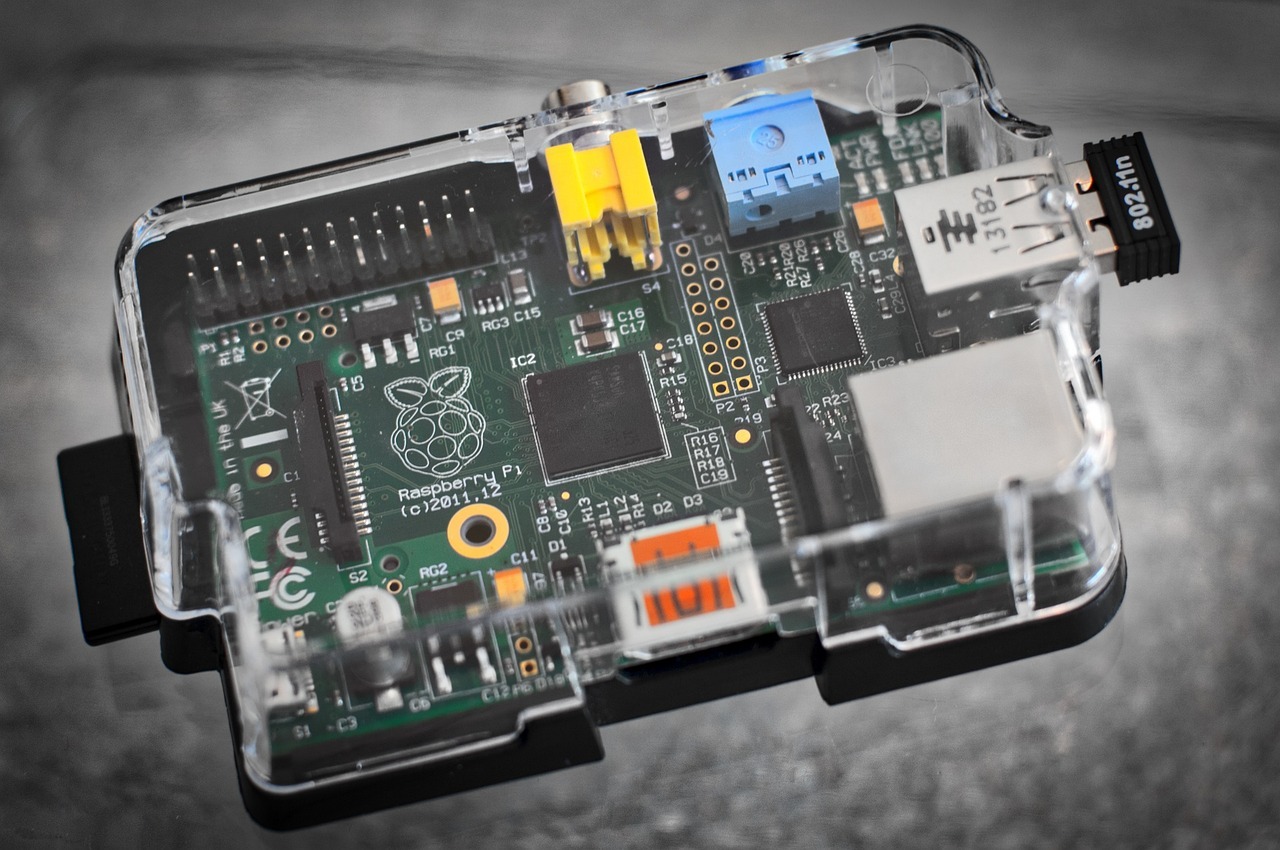
In 2026, the landscape of compact computing continues to evolve at a breathtaking pace, and the TinyPi has emerged as a game-changing solution for tech enthusiasts, educators, and developers seeking powerful performance in an incredibly small form factor. This comprehensive guide explores everything you need to know about TinyPi devices, from their capabilities and applications to setup tips and future potential.
What Makes TinyPi Stand Out in Compact Computing
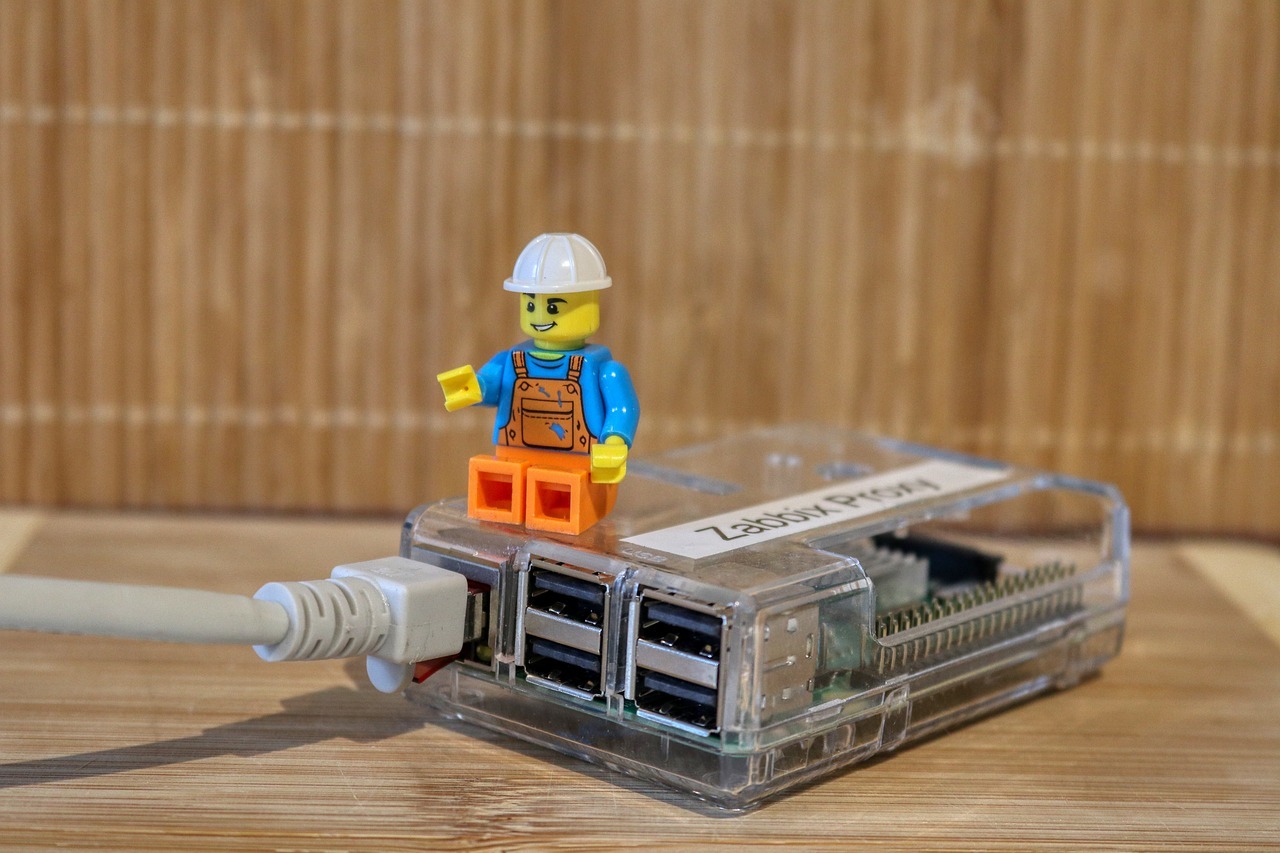
The TinyPi represents the pinnacle of miniaturization in single-board computing, building upon the legacy of its larger counterparts while pushing boundaries in terms of size, power efficiency, and versatility. Unlike traditional computing solutions, TinyPi devices pack impressive processing power into packages that can literally fit in the palm of your hand, making them ideal for projects where space is at a premium.

These diminutive powerhouses typically feature ARM-based processors, integrated graphics capabilities, GPIO pins for hardware interfacing, and support for modern connectivity standards including Wi-Fi and Bluetooth. The most recent iterations in 2026 have seen significant improvements in processing speed, memory capacity, and thermal management, addressing many of the limitations that plagued earlier compact computing platforms.
What truly distinguishes TinyPi from competing solutions is its balance between capability and accessibility. The devices maintain compatibility with a vast ecosystem of software and hardware accessories while remaining affordable enough for hobbyists and students. This democratization of computing technology has fostered a vibrant community of makers, developers, and innovators who continuously push the boundaries of what’s possible with these tiny computers.
Practical Applications and Use Cases
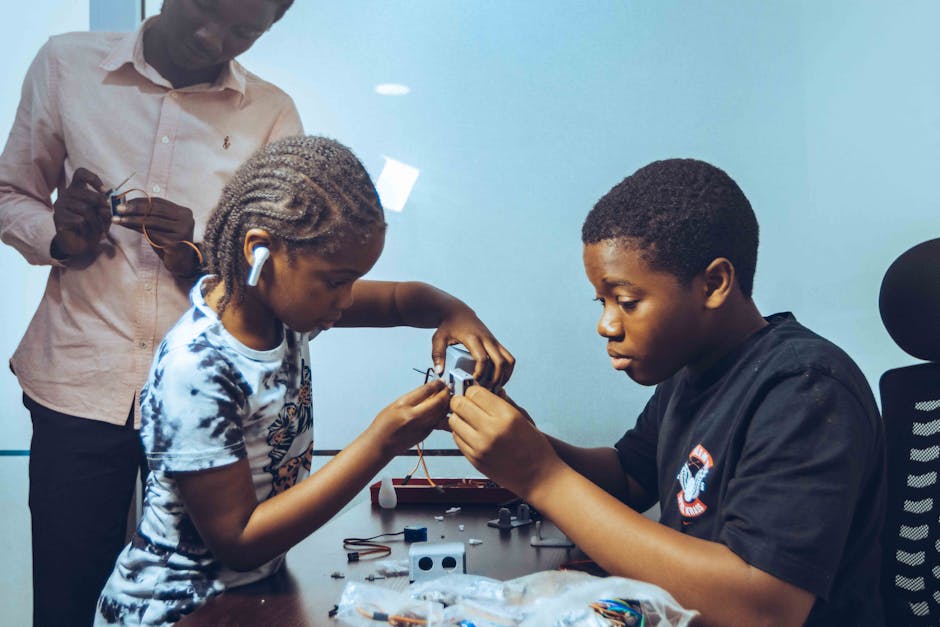
The versatility of TinyPi devices has led to their adoption across an impressive range of applications. In the education sector, schools and universities utilize them as affordable platforms for teaching programming, electronics, and computer science fundamentals. Students can experiment with hardware interfacing, learn Linux-based operating systems, and develop real-world projects without the need for expensive equipment.

Home automation enthusiasts have embraced TinyPi as the brain behind smart home systems. From controlling lighting and temperature to managing security cameras and door locks, these compact computers provide the processing power needed to orchestrate complex automation scenarios. Their low power consumption makes them ideal for 24/7 operation, while their small size allows for discreet installation throughout the home.
In the realm of retro gaming, TinyPi has become synonymous with portable emulation stations. Enthusiasts build custom handheld gaming devices and compact console replacements that can emulate classic gaming systems from the 1980s and 1990s. The combination of adequate processing power and small form factor makes TinyPi perfect for creating nostalgia-inducing gaming experiences. For more specific gaming setups, consider our Snes Raspberry Pi Gaming Setup Guide 2026.
Professional applications have also emerged, particularly in IoT development, digital signage, network monitoring, and edge computing deployments. Businesses appreciate the low total cost of ownership, minimal maintenance requirements, and ability to deploy multiple units for distributed computing tasks. The devices serve as excellent prototyping platforms before scaling to production-grade hardware.
Setting Up Your TinyPi: Essential Steps
Getting started with a TinyPi device is remarkably straightforward, though a few key considerations will ensure a smooth experience. First, you’ll need to select an appropriate operating system. Popular choices include lightweight Linux distributions specifically optimized for ARM architecture, such as Raspberry Pi OS Lite, DietPi, or Ubuntu Server editions. The choice depends on your intended use case and personal preferences regarding user interface and pre-installed software.
The initial setup requires a microSD card (Class 10 or better recommended for optimal performance), a suitable power supply providing stable voltage, and basic peripherals for initial configuration. In 2026, many users opt for headless setup methods, configuring their TinyPi devices via SSH without the need for monitors or keyboards, streamlining the deployment process significantly. For those looking for sturdy enclosures, a Superpi Case might be an ideal companion.
Once the operating system is installed and the device boots successfully, essential configuration steps include expanding the file system to utilize the full capacity of your storage card, updating system packages to ensure security and compatibility, and configuring network settings for reliable connectivity. Setting up SSH access with key-based authentication rather than password-based login enhances security considerably.
For those new to Linux-based systems, the learning curve may seem steep initially, but the extensive documentation and supportive community make troubleshooting and skill development manageable. Online forums, video tutorials, and comprehensive wikis provide guidance for virtually any challenge you might encounter during setup and operation.
Optimizing Performance and Extending Capabilities
Maximizing the potential of your TinyPi requires understanding both hardware and software optimization techniques. On the hardware side, proper cooling becomes increasingly important when running processor-intensive tasks. While passive cooling through heatsinks suffices for many applications, active cooling solutions like miniature fans can prevent thermal throttling during sustained high-load operations.
Storage considerations significantly impact performance. While microSD cards remain the most common storage medium, their speed can become a bottleneck. Upgrading to UHS-I or UHS-II cards with high read/write speeds improves system responsiveness. For critical applications, some users implement boot-from-USB configurations, leveraging faster SSD storage for superior performance and reliability.
Software optimization involves several strategies. Disabling unnecessary services reduces memory consumption and CPU usage, freeing resources for your primary applications. Implementing lightweight alternatives to common software packages can yield substantial performance gains. For example, using lightweight web servers, minimal desktop environments, or command-line tools instead of graphical alternatives reduces overhead.
Power management deserves special attention, particularly for portable or battery-powered deployments. Configuring CPU governor settings, reducing display brightness, disabling unused interfaces, and implementing sleep modes when appropriate can dramatically extend operating time on battery power. Understanding your device’s power consumption profile enables more effective project planning and implementation.
The TinyPi Community and Ecosystem
One of TinyPi’s greatest strengths lies in its vibrant, collaborative community. Developers, hobbyists, educators, and professionals worldwide share projects, troubleshoot issues, and contribute to an ever-expanding knowledge base. Online forums, social media groups, and dedicated websites host millions of discussions covering every conceivable topic related to these compact computers.
The ecosystem of compatible hardware accessories has grown exponentially, with manufacturers producing everything from camera modules and display screens to sensor arrays and motor controllers. This extensive accessory market means that whatever project you envision, compatible hardware likely exists to support it. The standardization of connection interfaces has fostered healthy competition among accessory manufacturers, benefiting consumers through improved quality and lower prices.
Open-source software projects specifically designed for TinyPi platforms number in the thousands, covering applications from network-attached storage and media servers to weather stations and robotics controllers. The commitment to open-source principles ensures that projects remain accessible, modifiable, and free from proprietary restrictions that might limit innovation or require ongoing licensing fees.
Educational initiatives have incorporated TinyPi devices into curricula worldwide, recognizing their value in teaching computational thinking and problem-solving skills. Organizations have developed comprehensive learning materials, project guides, and certification programs that help students and professionals develop valuable technical competencies applicable across numerous career paths.
Future Prospects and Emerging Trends
Looking ahead, the trajectory of TinyPi development points toward even more impressive capabilities in smaller packages. Advances in semiconductor manufacturing promise more powerful processors with better energy efficiency, enabling more demanding applications without sacrificing the compact form factor that defines these devices. Integration of artificial intelligence accelerators and specialized processing units will expand possibilities in machine learning and computer vision applications.
Connectivity improvements continue apace, with newer models supporting faster Wi-Fi standards, Bluetooth Low Energy for IoT applications, and potentially integrated cellular connectivity for truly standalone deployments. These enhancements will further cement TinyPi’s position in edge computing scenarios where reliable, low-latency connectivity is paramount. For cutting-edge connectivity, one might also look forward to Thunderbolt 5: the Next Revolution in Connectivity.
Environmental considerations are driving innovation in sustainable computing practices. Future TinyPi devices will likely incorporate more eco-friendly materials, improved power efficiency to reduce energy consumption, and design-for-disassembly principles that facilitate recycling at end-of-life. The computing industry’s shift toward sustainability aligns well with the inherently resource-efficient nature of compact computing platforms.
The democratization of technology that TinyPi represents shows no signs of slowing. As these devices become more capable and affordable, they lower barriers to entry for aspiring technologists worldwide, fostering innovation in regions previously limited by access to expensive computing resources. This global democratization promises to unlock creative potential and drive technological advancement from unexpected quarters.
Conclusion
The TinyPi phenomenon exemplifies how powerful technology can be compressed into remarkably small, affordable, and accessible packages. Whether you’re an educator seeking effective teaching tools, a hobbyist exploring new projects, or a professional developing IoT solutions, TinyPi devices offer compelling capabilities that punch well above their weight class. The combination of robust hardware, extensive software support, and an engaged community creates an ecosystem where imagination truly becomes the primary limitation. As we progress through 2026 and beyond, these compact computers will undoubtedly continue evolving, opening new possibilities and inspiring the next generation of technological innovation. For anyone interested in hands-on computing, electronics, or simply learning through experimentation, exploring what This Siri: Voice Assistant Evolution in 2026 has to offer represents an investment in skills and knowledge that will remain valuable for years to come.