







![Apple Watch SE (2nd Gen) [GPS 40mm] Smartwatch with Starlight Aluminum Case with Starlight Sport Band S/M. Fitness & Sleep Tracker, Crash Detection, Heart Rate Monitor](https://www.tech-bit.com/wp-content/uploads/2024/06/applewatchse2ndgengps40mmsmartwatchwithstarlightaluminumcase-360x180.jpg)


![SAMSUNG Galaxy Buds Pro 2 [2022] (SM-R510) - (Gray)](https://www.tech-bit.com/wp-content/uploads/2023/10/samsung-galaxy-buds-pro-2-2022-sm-r510-gray-360x180.jpg)













![Apple iPhone 15 Pro (128 GB) - Black Titanium | [Locked] | Boost Infinite plan required starting at $60/mo. | Unlimited Wireless | No trade-in needed to start | Get the latest iPhone every year](https://www.tech-bit.com/wp-content/uploads/2023/10/apple-iphone-15-pro-128-gb-black-titanium-locked-boost-infinite-360x180.jpg)
![Apple Watch Series 9 [GPS 41mm] Smartwatch with Pink Aluminum Case with Pink Sport Band M/L. Fitness Tracker, Blood Oxygen & ECG Apps, Always-On Retina Display](https://www.tech-bit.com/wp-content/uploads/2023/10/apple-watch-series-9-gps-41mm-smartwatch-with-pink-aluminum-case-with-pink-360x180.jpg)



























Self Serve Apple: the Future of Tech Retail
The retail landscape is undergoing a dramatic transformation, and Apple’s self-service initiative represents a significant shift in how consumers interact with technology products and services. As we move through 2026, the concept of self serve Apple experiences has evolved from a simple repair program into a comprehensive ecosystem that empowers users with unprecedented control over their devices, purchases, and support options.
This revolutionary approach to customer service reflects broader trends in consumer behavior, where independence, convenience, and transparency have become paramount. The self serve Apple model combines cutting-edge technology with user-friendly interfaces to create an experience that puts customers firmly in the driver’s seat.
Understanding the Self Serve Apple Ecosystem
The self serve Apple concept encompasses multiple touchpoints in the customer journey. At its core, it includes the Self Service Repair program, which allows users to purchase genuine Apple parts, tools, and access repair manuals for their devices. However, the initiative has expanded far beyond basic repairs to include self-service product purchases, support consultations, and even trade-in evaluations.
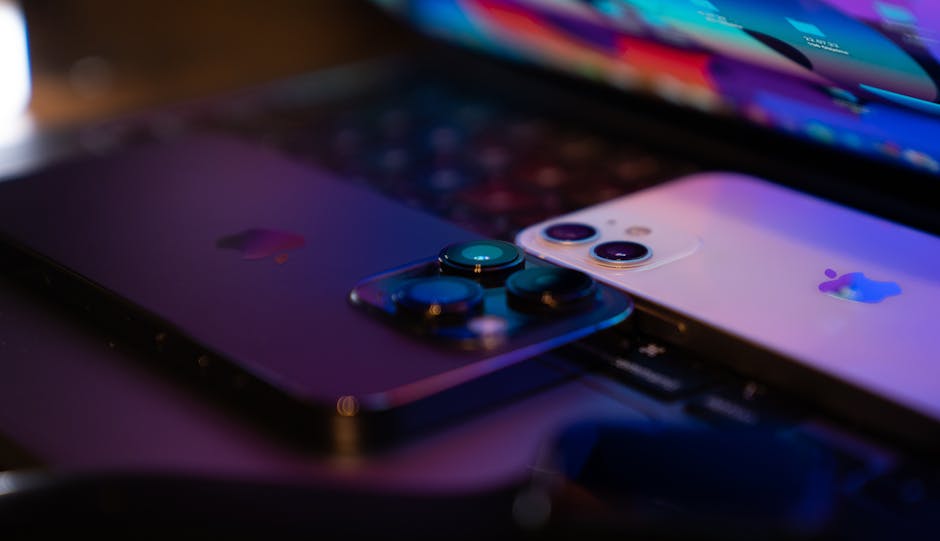
Apple’s self-service stations now feature in select retail locations worldwide, offering interactive kiosks where customers can diagnose device issues, order replacement parts, access step-by-step repair guides, and even complete simple repairs on-site with provided tools. These stations utilize augmented reality displays that overlay repair instructions directly onto the user’s device, making complex procedures more accessible to the average consumer.
The digital component of self serve Apple extends through the Apple Support app and website, where users can schedule appointments, check repair coverage, browse replacement parts, and access an extensive knowledge base. This multi-channel approach ensures that whether customers prefer in-person assistance or remote self-service, they have comprehensive options available.
Benefits of the Self Service Approach
The advantages of Apple’s self-service model extend to both consumers and the broader technology ecosystem. For users, the primary benefit is cost savings. Performing your own repairs or troubleshooting can significantly reduce expenses compared to traditional service center visits. The transparency in parts pricing and repair procedures also builds trust and eliminates the uncertainty often associated with device maintenance.

Convenience ranks as another major advantage. Rather than scheduling appointments weeks in advance or leaving devices at repair centers for days, customers can address issues on their own timeline. The 24/7 availability of online resources means that a cracked screen at midnight no longer requires waiting until business hours to begin the resolution process.
Environmental sustainability benefits from this model as well. By encouraging repairs over replacements and making components more accessible, Apple’s self-service initiative extends device lifespans and reduces electronic waste. The program supports the right-to-repair movement while maintaining quality standards through genuine parts and detailed guidance.
For tech enthusiasts and professionals, self serve Apple options provide deeper engagement with their devices. Understanding how products work internally fosters appreciation for the engineering involved and empowers users with valuable technical skills. This educational aspect transforms passive consumers into informed participants in the technology ecosystem.
Navigating Self Service Repair Options
Getting started with self serve Apple repair requires understanding the available resources and your device’s eligibility. The program currently supports iPhone, Mac, and select other products, with coverage expanding regularly. Users begin by visiting the Apple Self Service Repair Store to identify their specific device model and browse compatible parts and tools.
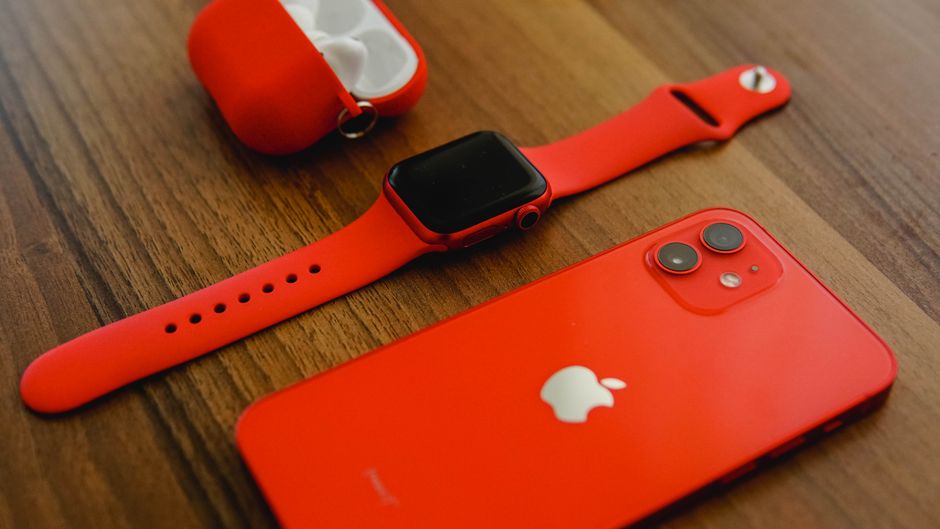
The repair process typically involves ordering parts, which arrive with detailed instructions and access to online manuals. For more complex repairs, Apple offers tool rental kits that include specialized equipment necessary for procedures like battery replacement or display repairs. These kits arrive with everything needed for the specific repair, eliminating guesswork about required tools.
Safety remains paramount in any self-service repair scenario. Apple provides comprehensive safety warnings and guidelines with each repair manual. Users should work in well-lit, clean environments and ensure devices are powered down before beginning any procedure. For repairs involving batteries or displays, following proper handling procedures prevents injury and device damage.
The diagnostic tools available through self serve Apple platforms help users accurately identify issues before ordering parts. These diagnostics run comprehensive tests on various device components, generating detailed reports that pinpoint problems. This precision reduces the likelihood of ordering incorrect parts and ensures repairs address the actual underlying issues.
Integration with Physical Activity and Wellness
An interesting dimension of self serve Apple options relates to health and fitness technology. Apple Watch users who prefer self-service support can now access specialized resources for their wearable devices. Given that Apple Watch has become integral to many users’ fitness routines, quick self-service repair options minimize downtime in tracking physical activity and health metrics.
The CDC physical activity guidelines recommend regular monitoring of exercise intensity and duration, functions that Apple Watch facilitates. When these devices require maintenance, self-service options ensure users can quickly restore functionality and continue meeting their wellness goals without extended interruptions.
Similarly, the NHS exercise guidance emphasizes the importance of consistent physical activity tracking for maintaining cardiovascular health. Self serve Apple resources help users maintain the technology that supports these healthy habits, whether through quick battery replacements or band adjustments.
Resources from the American College of Sports Medicine highlight how wearable technology enhances exercise adherence and outcomes. By making Apple Watch repairs and maintenance more accessible through self-service options, users experience fewer barriers to maintaining consistent fitness tracking.
Challenges and Considerations
Despite its numerous advantages, the self serve Apple approach presents certain challenges. Technical complexity remains a barrier for some users, particularly with advanced repairs requiring specialized knowledge. While Apple provides extensive documentation, not every consumer feels comfortable disassembling expensive devices, regardless of available guidance.
Warranty implications require careful consideration. Self-service repairs using genuine Apple parts typically don’t void warranties, but improper procedures or third-party components can affect coverage. Users must carefully review warranty terms and understand how different repair choices impact their protection.
Cost analysis proves essential before committing to self-service repair. While parts may cost less than full-service repairs, tool rental fees and the time investment must factor into decisions. For simple repairs, self-service clearly saves money, but complex procedures might warrant professional assistance despite higher costs.
The learning curve associated with device repair shouldn’t be underestimated. Even with excellent instructions, first-time repairs take longer and involve trial and error. Users must honestly assess their technical aptitude and patience levels before embarking on complex self-service procedures.
Future of Self Serve Technology
Looking ahead, self serve Apple options will likely expand in scope and sophistication. Artificial intelligence integration could provide real-time guidance through repairs, using device cameras to verify each step and offer immediate feedback. Virtual reality might enable immersive training experiences where users practice repairs in simulated environments before working on actual devices.
The parts ecosystem will probably diversify, offering more upgrade options beyond simple replacements. Imagine self-service battery upgrades to higher capacity models or camera module enhancements, transforming self-service from purely maintenance-focused to performance improvement opportunities.
Community aspects may strengthen, with user forums, video tutorials, and peer support networks forming around self serve Apple initiatives. These communities could share tips, troubleshoot uncommon issues, and develop best practices that complement official Apple resources.
Regulatory changes may further shape self-service options as right-to-repair legislation gains momentum globally. These legal frameworks could mandate broader parts availability and more comprehensive repair documentation, potentially expanding what consumers can accomplish independently.
Conclusion
Self serve Apple represents more than a repair program; it embodies a fundamental shift toward user empowerment in the technology sector. By providing genuine parts, comprehensive documentation, and accessible tools, Apple has created an ecosystem where consumers control their device maintenance and support experiences. While challenges exist around technical complexity and time investment, the benefits of cost savings, convenience, environmental responsibility, and skill development make self-service options increasingly attractive. As this model evolves with advancing technology and changing regulations, the balance between professional service and self-sufficiency will continue redefining the relationship between consumers and their devices. For tech-savvy users willing to invest time in learning, self serve Apple options offer unprecedented control and satisfaction in maintaining the technology central to modern life.