




![Apple Watch SE (2nd Gen) [GPS 40mm] Smartwatch with Starlight Aluminum Case with Starlight Sport Band S/M. Fitness & Sleep Tracker, Crash Detection, Heart Rate Monitor](https://www.tech-bit.com/wp-content/uploads/2024/06/applewatchse2ndgengps40mmsmartwatchwithstarlightaluminumcase-360x180.jpg)

![SAMSUNG Galaxy Buds Pro 2 [2022] (SM-R510) - (Gray)](https://www.tech-bit.com/wp-content/uploads/2023/10/samsung-galaxy-buds-pro-2-2022-sm-r510-gray-360x180.jpg)




![Apple iPhone 15 Pro (128 GB) - Black Titanium | [Locked] | Boost Infinite plan required starting at $60/mo. | Unlimited Wireless | No trade-in needed to start | Get the latest iPhone every year](https://www.tech-bit.com/wp-content/uploads/2023/10/apple-iphone-15-pro-128-gb-black-titanium-locked-boost-infinite-360x180.jpg)
![Apple Watch Series 9 [GPS 41mm] Smartwatch with Pink Aluminum Case with Pink Sport Band M/L. Fitness Tracker, Blood Oxygen & ECG Apps, Always-On Retina Display](https://www.tech-bit.com/wp-content/uploads/2023/10/apple-watch-series-9-gps-41mm-smartwatch-with-pink-aluminum-case-with-pink-360x180.jpg)













The Walkman From Stranger Things Explained
When Max Mayfield strapped on her Walkman in the fourth season of Stranger Things, it wasn’t just a nostalgic prop—it became one of the most iconic plot devices in recent television history. The Sony Walkman TPS-L2, first released in 1979, experienced a remarkable resurgence in 2022 as fans scrambled to understand the cultural significance and real-world implications of this vintage portable cassette player that literally saved lives in the show’s supernatural storyline.
The Walkman’s Pivotal Role in Season Four
In Stranger Things Season 4, the Walkman transcends its function as mere 1980s set dressing to become a crucial survival tool. When Max becomes targeted by Vecna, the season’s terrifying antagonist, her friends discover that music—specifically her favorite song “Running Up That Hill” by Kate Bush—can break Vecna’s curse and pull her back from the Upside Down. The Walkman becomes her lifeline, a portable shield against supernatural possession that she must keep within reach at all times.
This narrative choice brilliantly elevated the cassette player from background prop to essential survival gear, creating one of the most emotionally resonant moments in the series. The scene where Max escapes Vecna’s grasp while Kate Bush’s synth-pop masterpiece plays has become iconic, spawning countless recreations, memes, and a massive revival in both the song’s popularity and interest in vintage audio equipment.
The Real Sony Walkman TPS-L2
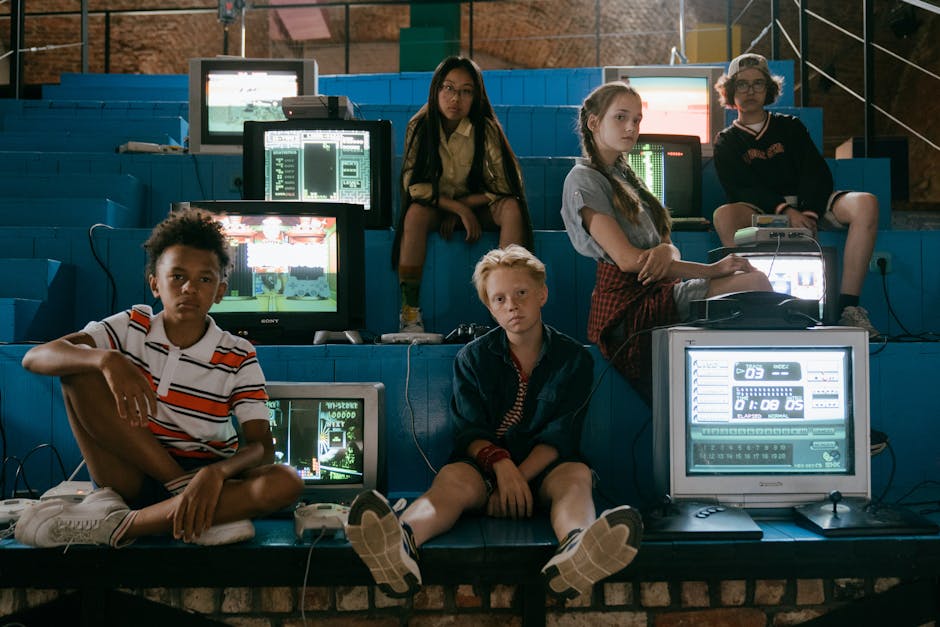
The Walkman featured in Stranger Things is the Sony TPS-L2, the very first Walkman model ever produced. Released in July 1979, this groundbreaking device revolutionized how people consumed music by offering unprecedented portability and personal listening freedom. The original unit featured distinctive blue and silver styling, two headphone jacks for shared listening, and a “hotline” button that allowed users to talk to each other while wearing headphones.
The TPS-L2 wasn’t cheap when it launched, retailing for approximately $200 in 1979—equivalent to over $800 in 2026 dollars when adjusted for inflation. Despite the steep price, it became an instant cultural phenomenon, selling over 50,000 units in its first two months. The Walkman brand would go on to become synonymous with portable music, with Sony selling over 400 million units across various models before eventually discontinuing cassette Walkmans in 2010.
The show’s prop department meticulously sourced authentic TPS-L2 units for production, ensuring period-accurate details that eagle-eyed fans would appreciate. These vintage devices, now collector’s items, have seen their market value skyrocket following the show’s popularity, with working models fetching hundreds or even thousands of dollars on secondary markets.
Music’s Therapeutic Power: Fact Meets Fiction
While Vecna may be fictional, the show’s portrayal of music as a powerful emotional anchor has genuine scientific backing. Music therapy is a recognized therapeutic intervention used to address physical, emotional, cognitive, and social needs. Research has demonstrated that familiar music, particularly songs tied to strong personal memories, can activate multiple areas of the brain simultaneously.
Studies have shown that music can reduce anxiety, improve mood, and even help patients with neurological conditions like dementia access memories and emotions. The phenomenon depicted in Stranger Things—where Max’s personal connection to a specific song creates a powerful tether to reality—mirrors real therapeutic applications where personalized music playlists help patients with various conditions.
For individuals dealing with trauma or mental health challenges, music can serve as a grounding technique, providing emotional regulation similar to what the show depicts. Physical activity combined with music can be particularly beneficial, as outlined in guidance from organizations like the CDC’s physical activity recommendations, which emphasize the importance of finding enjoyable activities to maintain consistent exercise habits.
The Nostalgic Tech Renaissance
The Stranger Things effect has contributed to a broader renaissance in vintage audio technology. Following Season 4’s release, searches for Walkmans, cassette tapes, and vintage audio equipment spiked dramatically. This renewed interest isn’t purely nostalgic—it represents a genuine appreciation for analog technology’s tactile, intentional nature in our increasingly digital world.
Modern consumers, particularly younger generations who never experienced cassette culture firsthand, have embraced these vintage devices as both fashion statements and functional alternatives to streaming. The physicality of inserting a cassette, pressing play, and experiencing music as a curated, uninterrupted experience offers a stark contrast to algorithm-driven playlists and endless scrolling.
Several companies have responded to this demand by releasing modern interpretations of classic designs, creating Bluetooth-enabled devices with cassette-inspired aesthetics or even functional cassette players with contemporary features like USB connectivity and rechargeable batteries. While these updated versions lack the pure authenticity of vintage units, they make the cassette experience accessible without requiring maintenance of decades-old electronics.
Cultural Impact and Modern Relevance
The Walkman’s resurgence through Stranger Things represents more than entertainment nostalgia—it highlights our complex relationship with technology and media consumption. In an era where most music exists as intangible data streams, the Walkman represents ownership, curation, and intentionality. Creating a mixtape required thought, effort, and personal investment, transforming music sharing into an intimate act.
The show’s depiction also resonates with contemporary discussions about technology’s role in mental health and well-being. Max’s Walkman serves as both literal and metaphorical protection—a personal sanctuary in chaotic circumstances. This mirrors how many people today use music, podcasts, and audio content as coping mechanisms for anxiety, stress, or overwhelming environments.
Educators and therapists have even incorporated the Stranger Things Walkman concept into therapeutic frameworks, using it as a metaphor for developing personalized coping strategies. Resources from NHS exercise guidance emphasize finding personal motivators for healthy habits, much like Max’s deeply personal connection to her chosen song.
Collecting and Using Vintage Walkmans Today
For those inspired to acquire their own vintage Walkman, several considerations apply. Original Sony TPS-L2 units are highly collectible but require realistic expectations. These devices are over forty years old, and even well-maintained examples may need servicing. Belts deteriorate, capacitors fail, and finding replacement parts can prove challenging.
Alternative models from Sony’s extensive Walkman line or competitors like Panasonic, Toshiba, and Aiwa offer more affordable and potentially more reliable options. Later models from the mid-to-late 1980s often feature better sound quality, more durable construction, and easier maintenance than the pioneering TPS-L2.
Using a cassette Walkman in 2026 requires some practical adjustments. Cassette tapes themselves have become specialty items, with new blank tapes available from boutique manufacturers and pre-recorded tapes found through second-hand markets. The audio quality won’t match modern digital standards, but that’s partly the point—the analog warmth and slight imperfections create a distinctive listening experience.
Battery consumption remains a consideration, as most Walkmans were designed for disposable AA batteries. Rechargeable alternatives exist, though vintage devices’ power requirements may drain them quickly. For serious enthusiasts, maintaining multiple devices or learning basic electronics repair can extend the practical lifespan of vintage units like the Walkman.
Conclusion
The Walkman from Stranger Things evolved from period-appropriate set decoration into a symbol of music’s profound emotional power and vintage technology’s enduring appeal. Its prominence in the show’s narrative sparked genuine cultural conversations about how we consume music, cope with challenges, and connect with our past. Whether you’re a nostalgic Gen-Xer remembering your first Walkman or a Gen-Z viewer discovering cassette culture through Max’s story, the device represents something universal: music’s ability to transport, protect, and heal. As we navigate an increasingly digital future, these analog artifacts remind us that sometimes the most powerful technology is the one that creates space for deeply personal, uninterrupted human experiences.